Friday, April 8, 2022

Murder at the Magnolia Condominium - by Maria Cristina Buoso - Review by Maria Teresa De Donato

 Murder at the Magnolia Condominium

by Maria Cristina Buoso

Review by Maria Teresa De Donato


The result of the invitation to participate in the Città in Giallo Series, dedicated to Italian cities, and received by the publishing house PlaceBook Publishing, Maria Cristina Buoso's Murder at the Magnolia Condominium is set in the town of Padua. The protagonists are two women: the Chief Commissioner, Claudia Trini, manager and coordinator of her office, and her faithful friend and former colleague, Chief Commissioner Caterina Angeli, who recently retired.

In this condominium, where people with a very ordinary appearance live, including a retired teacher and a widower for a few years, a particularly violent murder that suddenly shakes the peace that seems to have always reigned in it starts the investigations that will prove to be, immediately, anything but simple. Commissioner Trini's team works with outstanding commitment to look for the motive and the possible culprit. On the other hand, the condominium's residents show an attitude of detachment and complacency that surprises, leaves us perplexed, and whose reasons will have to be identified.

Although the story is relatively short, the author has managed to create an intriguing plot and immediately familiarize the reader with the various characters in the scene. Any skeletons in the closets and unspeakable secrets will eventually emerge, confirming, once again, how appearance rarely coincides with reality.

Aspects such as the objective and also the subjective sense of justice; the gap that may exist between being guided by one's conscience or by a sense of duty; and the realities that our intuition could identify but that our mind and heart could deny because they are too painful to be understood and much less accepted are also themes that emerge in this thriller.

A mystery that is written, as it is in the author's style, in a simple, direct, and fluent fashion. A reading that I found very pleasant and that I recommend.


Title: (DELITTO AL CONDOMINIO MAGNOLIA) (Murder at the Magnolia Condominium)

Series: City in Yellow - Padua 1

Author: Maria Cristina Buoso

• Paperback: 116 pages

• ISBN-13: 979-8471462571

• Item Weight: 154g

• Dimensions: 12.7 x 0.74 x 20.32 cm


https://www.amazon.it/dp/B09FCKHYV8


A scream wakes the apartment building.

A man is found dead. He was killed with 14 stab wounds.

Who is the victim, and what is he hiding?

An investigation that seems to lead nowhere.

Chief commissioner Caterina Angeli retired for a couple of weeks. The colleague chief commissioner, Claudia Trini of the Mobile Team of the Padua Police Headquarters, Claudia Trini of the Mobile Team of the Padua Police Headquarters, investigate together.

The solution will surprise you.


MARIA CRISTINA BUOSO

She has been writing different genres for many years and is also active on her social networks, including her blog: https://mcbuoso.wordpress.com/.

Her poems and short stories are included in various anthologies.

Recently published books are Anime (Souls) (2017), Vernissage, and Schegge di parole (Splinters of Words) (2021).


Delitto al Condominio Magnolia - di Maria Cristina Buoso - Recensione di Maria Teresa De Donato

 Delitto al Condominio Magnolia

di Maria Cristina Buoso

Recensione di Maria Teresa De Donato


Frutto dell’invito a partecipare alla Collana Città in Giallo, dedicata alle città italiane, e ricevuto dalla casa editrice PlaceBook Publishing, Delitto al Condominio Magnolia di Maria Cristina Buoso è ambientato nella città di Padova.  Protagoniste sono due donne: il Commissario Capo, Claudia Trini, dirigente e coordinatrice del suo ufficio, e la sua fedele amica ed ex collega, Commissario Capo, Caterina Angeli, andata da poco tempo in pensione.

In questo Condominio, dove vivono persone dall’apparenza normalissima, tra cui un maestro andato in pensione e vedovo da alcuni anni, un omicidio particolarmente violento e che scuote improvvisamente la pace che sembra regnarvi da sempre dà il via alle indagini che saranno, da subito, tutt’altro che semplici. Se, infatti, da una lato il team del Commissario Trini lavora con grande impegno per cercare non solo il movente, ma anche l’eventuale colpevole, i condomini, dal canto loro, sorprendono con un atteggiamento tanto di distacco quanto di compiacimento che lascia perplessi e le cui ragioni dovranno essere scoperte.

Benché il racconto sia piuttosto breve, l’autrice è riuscita sia a creare una trama che intriga sia a far familiarizzare immediatamente il lettore con i vari personaggi che si presentano sulla scena.  Gli eventuali scheletri negli armadi  e i segreti inconfessabili alla fine emergeranno confermando, ancora una volta, come l’apparenza raramente coincida con la realtà.

Aspetti quali il senso oggettivo, ma anche soggettivo della giustizia; il divario che può esistere tra il farsi guidare dalla propria coscienza o dal senso del dovere; e le realtà che il nostro intuito potrebbe identificare ma che la nostra mente ed il nostro cuore potrebbero negare, perché troppo dolorose per essere comprese e tantomeno accettate, sono anche tematiche che emergono in questo giallo. 

Un giallo scritto, come è nello stile dell’autrice, in modo semplice, diretto e scorrevole. Una lettura che ho trovato molto piacevole e che consiglio. 


Titolo: DELITTO AL CONDOMINIO MAGNOLIA

Collana: Città in Giallo – Padova 1

Autore: Maria Cristina Buoso

·         Copertina flessibile : 116 pagine

·         ISBN-13: 979-8471462571

·         Peso articolo: 154 g

·         Dimensioni: 12.7 x 0.74 x 20.32 cm


https://www.amazon.it/dp/B09FCKHYV8


Un urlo sveglia il condominio.
Un uomo viene trovato morto. È stato ucciso con 14 coltellate.
Chi è la vittima e cosa nasconde?
Una indagine che sembra non portare da nessuna parte.
Il commissario capo Caterina Angeli in pensione da un paio di settimane e la collega commissario capo Claudia Trini della squadra mobile della Questura di Padova indagano assieme.
La soluzione vi sorprenderà.

MARIA CRISTINA BUOSO
Scrive da molti anni generi diversi ed è anche attiva nei social tra cui nel suo blog:
https://mcbuoso.wordpress.com/


Poesie e racconti sono inseriti in diverse antologie.


I libri pubblicati recentemente sono: Anime (2017). Vernissage e Schegge di Parole (2021).


Mord in der Magnolia-Wohnanlage - von Maria Cristina Buoso - Rezension von Maria Teresa De Donato

 Mord in der Magnolia-Wohnanlage

von Maria Cristina Buoso

Rezension von Maria Teresa De Donato


Maria Cristina Buosos Krimi in der Magnolia-Wohnanlge, das Ergebnis der Einladung zur Teilnahme an der Città in Giallo-Reihe, die italienischen Städten gewidmet ist und vom Verlag PlaceBook Publishing erhalten wurde, spielt in der Stadt Padua. Die Protagonisten sind zwei Frauen: die Hauptkommissarin Claudia Trini, Leiterin und Koordinatorin ihres Büros, und ihre treue Freundin und ehemalige Kollegin, die kürzlich pensionierte Hauptkommissarin Caterina Angeli.

In dieser Wohnanlage, in der ganz normal aussehende Menschen leben, darunter seit einigen Jahren ein pensionierter Lehrer und ein Witwer, beginnt ein besonders heftiger Mord, der plötzlich den Frieden erschüttert, der immer darin geherrscht zu haben scheint, die Ermittlungen, die sofort alles andere als einfach sein werden. Wenn einerseits das Team von Kommissarin Trini mit großem Engagement daran arbeitet, nicht nur nach dem Motiv, sondern auch nach dem möglichen Schuldigen zu suchen, überraschen die Eigentumswohnungen ihrerseits mit einer Haltung der Distanziertheit sowie Selbstgefälligkeit, die uns ratlos zurücklässt und deren Gründe ermittelt werden müssen.

Obwohl die Geschichte eher kurz ist, ist es der Autorin gelungen, sowohl eine faszinierende Handlung zu schaffen als auch den Leser sofort mit den verschiedenen Charakteren vertraut zu machen, die auf der Bühne erscheinen. Irgendwelche Skelette in den Schränken und unaussprechliche Geheimnisse werden schließlich auftauchen und wieder einmal bestätigen, dass das Aussehen selten mit der Realität übereinstimmt.

Aspekte wie das objektive aber auch das subjektive Gerechtigkeitsempfinden; die Kluft, die zwischen der Führung durch das eigene Gewissen oder durch ein Pflichtbewusstsein bestehen kann; und die Realitäten, die unsere Intuition identifizieren könnte, die unser Verstand und unser Herz jedoch leugnen könnten, weil sie zu schmerzhaft sind, um sie zu verstehen, und viel weniger akzeptiert werden, sind ebenfalls Themen, die in diesem Thriller auftauchen.

Ein Krimi, der im Stil der Autorin einfach, direkt und flüssig geschrieben ist. Eine Lektüre, die ich sehr angenehm fand und die ich empfehlen kann.


Titel: DELITTO AL CONDOMINIO MAGNOLIA                                                 

(Mord in der Magnolia-Wohnanlage)


Serie: Stadt in Gelb - Padua 1

Autorin: Maria Cristina Buoso

• Taschenbuch: 116 Seiten

• ISBN-13: 979-8471462571

• Artikelgewicht: 154 g

• Abmessungen: 12,7 x 0,74 x 20,32 cm


https://www.amazon.it/dp/B09FCKHYV8


Ein Schrei weckt das Wohnanlage.

Ein Mann wird tot aufgefunden. Er wurde mit 14 Stichwunden getötet.

Wer ist das Opfer und was verbirgt er?

Eine Untersuchung, die nirgendwohin zu führen scheint.

Die Oberkommissarin Caterina Angeli hat sich für ein paar Wochen zurückgezogen und die Kollegin Oberkommissarin Claudia Trini vom mobilen Team des Polizeipräsidiums Padua gemeinsam ermittelt .

Die Lösung wird Sie überraschen.


MARIA CRISTINA BUOSO

Sie schreibt seit vielen Jahren verschiedene Genres und ist auch in sozialen Netzwerken aktiv, unter anderem in ihrem Blog: https://mcbuoso.wordpress.com/

Gedichte und Kurzgeschichten sind in verschiedenen Anthologien enthalten.

Kürzlich veröffentlichte Bücher sind: Anime (Seelen) (2017). Vernissage und Schegge di parole (Wortsplitter) (2021).


Monday, April 4, 2022

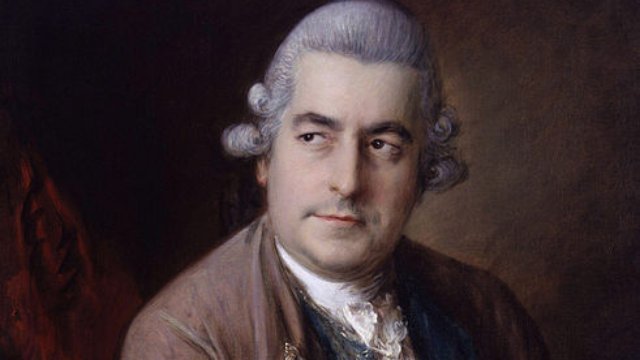
Johann Christian Bach (Leipzig IX-5-1735 - London I-1-1782)


Pupil of his father (he was the third last son of Johann Sebastian, and the eleventh born from his second marriage), then of his half-brother Carl Philipp Emanuel in Berlin; here he became passionate about Italian opera to the point that we soon find him in Milan, where around 1755 he joined the orchestra of Count Litta and was sent by him to Bologna to perfect himself with the famous Father Martini. After converting to Catholicism in 1760, he obtained a position as organist at the cathedral of Milan, starting his career as an opera composer in 1761. The successes of Turin and Naples earned him the appointment as the composer of the King's Theater in London: from 1762, he lived in London, where he was also the music teacher of Queen Sofia Charlotte and where he had contact with the young Mozart, who received not negligible stimuli from his music. He was much sought after as a teacher and much applauded as a performer and conductor: but his fame faded with the change in taste, and the financial fortunes of a concert enterprise he founded changed to the point that he ended up in economic conditions far from being prosperous.

Johann Christian is the greatest symphonist among the sons of Johann Sebastian, and he is also, among the sons of the great Bach, the one who most deviated as a composer from the path taken by his parent. Father Martini, Jommelli, and all the other Italian opera players left a decisive mark on him, so much so that, unlike the other Bachs, he cultivated theatrical production with particular care.

In instrumental music, also because he is part of a generation now projected towards the 1800s, he tends to shape the orchestra with more extraordinary elegance, with a touch of Rococo corrected by a conscious absorption of the new principles introduced by the Mannheim school: hence very particular care for timbre and chiaroscuro, a resort to homophony abandoning the paternal polyphonic tradition which was now considered, by the new generations, a useless dead weight. This explains his influence on Mozart - which he was among the first to appreciate - in a refinement of the melodic taste rather than a refinement of the sonata form, which remains a distinctive contribution of the half-brother Carl Philipp Emanuel.

His instrumental production includes about fifty symphonies, thirty concertante symphonies, 13 overtures, and 37 concertos for harpsichord (or pianoforte) and orchestra.


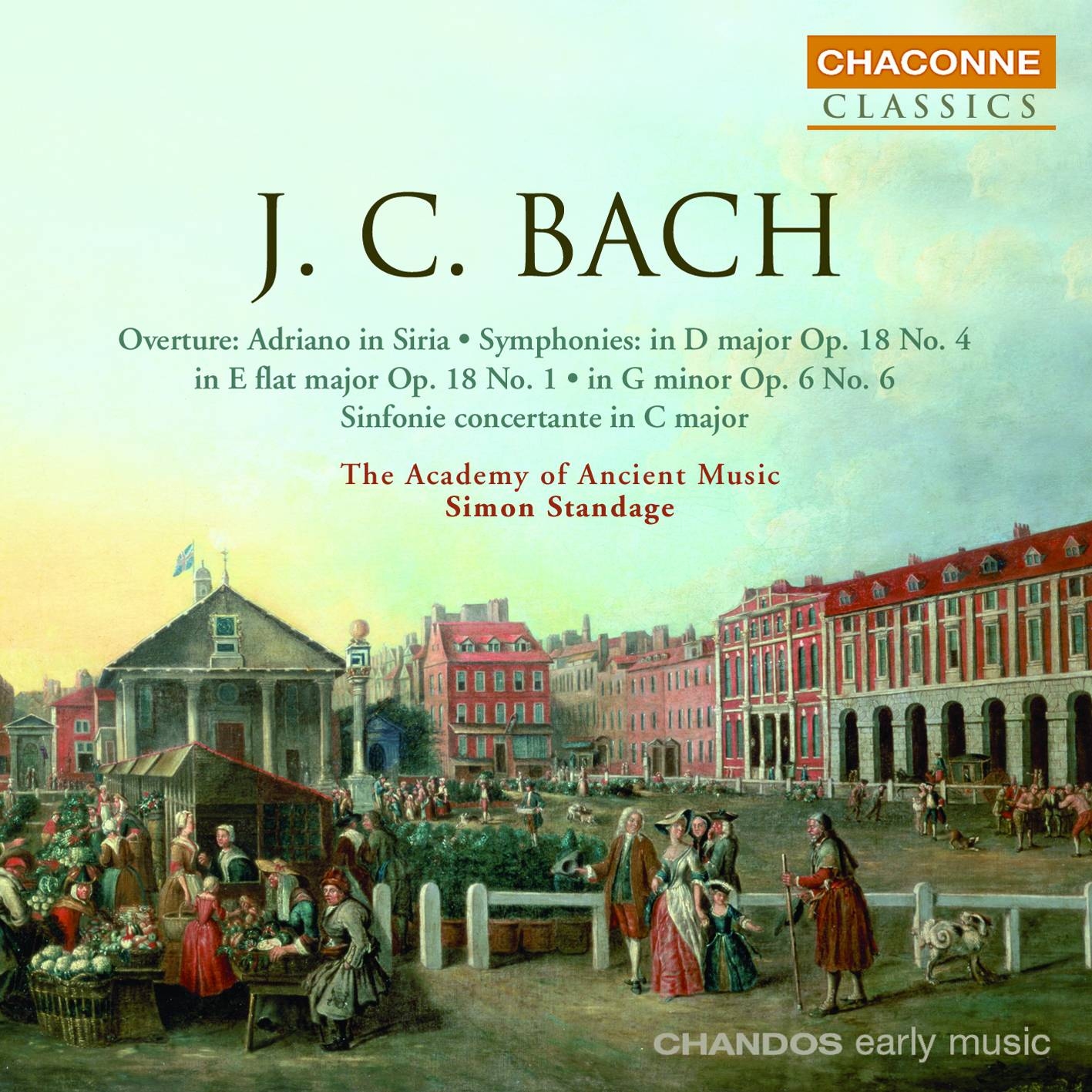
Symphony in E flat major op. 9 n. 2 (c.1770)


It includes, next to the strings, two oboes and two comos and is notable above all for the breadth of the initial "Allegro", which has many similarities with the style of a certain Haydn.

The short "Andante con sordini" is almost Mozartian in its perfect melodic grace, while the concluding "Minuet" has all the elegance of the third movement of a classical symphony: here too, one cannot help but think of Mozart.


Symphony in B flat major op. 18 n. 2 (1772-76)  


It was initially an overture for the opera Lucio Silla, staged in Mannheim in 1776: it, therefore, retains the fluency and elegance a little superficial, a monodic even Mozartian taste, a vivacity of the instrumental treatment that is peculiar to Johann Christian. Note above all the final "Presto", preceded by an "Allegro molto" and an "Andante."


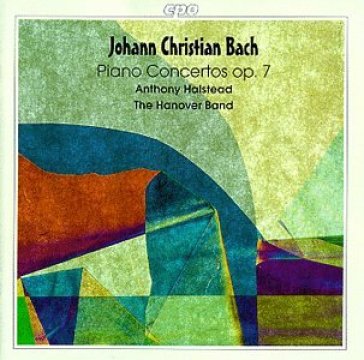
Piano Concertos Op. 7


Bach's concertos that make up his Opus 7 were published in 1770 under the title "Six Concertos for the Harpsichord or Piano Forte with accompaniments for two violins and a cello". It was not uncommon to advertise works for both instruments in that transitional period between the harpsichord and the piano. On the one hand, it could increase sales to people who did not yet have the new pianos, but it also reflected that the piano had not yet developed an idiomatic style distinct from that of the harpsichord.

Bach himself is said to have performed piano concerts as early as 1768, but he is also known to have served on the harpsichord in the early 1970s. Three of these six concertos have dynamic signs that would suggest playing on a piano: forte signs under just a few notes to emphasize them and progressively loud dynamic signs to indicate a crescendo. For at least these three concerts, the piano would seem to be the preferred instrument, but the works in this set have been successfully performed on both the harpsichord and the piano.


The publisher's title suggests that these are essentially chamber pieces with just three-stringed instruments accompanying the keyboard soloist. That said, there may have also been performances with a larger ensemble. Horn parts for five of these concerts (all except No. 4), as well as oboe parts for No. 3, were discovered at the end of the twentieth century and appear to be authentic. and oboe parts for No. 3 While the chamber nature of these works would have made them attractive to amateurs playing at home, a more orchestral ver,sion may have been useful for the famous concert series that Bach produced in London alongside the gambler and composer Carl Friedrich Abel.

In them, the piano is treated essentially as a monodic instrument. In this lies the significant difference of Johann Christian from his father, that aspect of novelty that brings his work closer to that of Mozart.
And Mozart is often the line of his melodies and the purity of his sonority. The Concerto in E flat major no. 5.

 
Piano Concertos Op. 13


Johann Christian's ability to make the new fortepiano his own gained even more favor in public circles. Indeed, while Clementi was still playing the old harpsichord in London, Johann Christian captivated his audience with the new keyboard. Composed in the 1770s, his keyboard concertos represent some of the best examples of all of his keyboard works and incorporate everything that was admired in their days. All in three movements, the traditional fast - slow - fast, they are stylish and elegant, graceful and gallant. Johann Christian courted his audience using the grace and charm of the Italian style, involving and intertwining the folk elements of his adopted country. There was no best way to please the Queen!

The Concerto in D major, op.13, n.2, is the second of six piano concertos published in 1777, with the title: “A Third Sett of Six Concertos for the Harpsichord, o Pianoforte. With accompaniments for two violins and bass, two Hautboys, and two French horns ad libitum. Humbly dedicated to Mrs. Pelham and composed by the music teacher John Christian Bach to her Majesty the Queen of Great Britain ”.John Christian Bach's music teacher was customary in all his piano concerts to play figured bass in orchestral passages.

The piano plays everywhere: it plays the figured bass to accompany the orchestra and its own solo part. We can say that this Concerto undoubtedly represents the best of this musician's extensive piano production.


The Concerto in B flat, Op.13, n.4, is the fourth of the same group. It was a favorite of the set in its time and was made even more special when Haydn arranged it for solo piano ten years after Bach's death. This piece had great public appeal; it was not only the charm of the gallant and song-like tenderness of the slow movement, but the ensemble of variations that Johann Christian composed for the third movement based on the Scottish song, The Yellow-haired Laddie.


The other two concertos on this record have been attributed to Johann Christian Bach and have always been believed to be composed by him around the years 1770/1771 as part of the Opus 7 keyboard concert set, different from the Opus 13 concerts, and while rehearsing these pieces, we took turns trying to decide who the composer might be because they didn't feel or sound like Johann Christian. Both concerts sound like C.P.E. Bach or like the Symphonies of Johann Christoph Friedrich, with a brilliance and a melodic buoyancy that prevails. Simple, if not a bit old-fashioned, they are certainly undoubtedly fun concerts. 

It made me realize that while, by today's modern piano standards, Johann Christian's work may seem too simple, it was pretty forward-looking in his day. It was rather forward-looking in his day. The differences between Opus 13 and these concerts became more and more evident. Another difference that comes to mind is the score. These concerts include a viola as part of the orchestra, while Opus 13 is composed only for two violins and a cello, with the optional wind. 

After some research, I found that both of these concerts are now thought to be composed by Johann Christoph Friedrich Bach, who made a career at the cultured court of Count William of Schaumburg-Lippe in Bückeburg, thus unraveling the mystery for us (see Collected Works of JC Bach, ed. Ernest Warburton). These concerts were published by Hartknoch of Riga in the 1770s. In his catalo Warburton catalog informs us that “Ulrich Leisinger has now proved beyond reasonable doubt that the true composer of the Concerto in E flat is J.C.F. Bach ", and the Concerto in A, the second of Hartknoch's two concertos, is now also known to be by Johann Christoph Friedrich. What evolved from the exercise was how groundbreaking Johann Christian's music was, and clearly, I  could see  why he continued to gain favor as a composer. His music marked the link between baroque and classical; it established the foundation upon which classicism would flourish and, of notable importance, was music particularly suited to its social purpose. This, in the eighteenth century, was a recipe for success.

Johann Christian Bach (Lipsia 5-IX-1735 - Londra 1-I-1782)


Allievo del padre (fu il terzultimo figlio di Johann Sebastian, e l'undicesimo nato dal suo secondo matrimonio), poi del fratellastro Carl Philipp Emanuel a Berlino; qui si appassionò per l'opera italiana al punto che ben presto lo troviamo a Milano, dove verso il 1755 entra nell'orchestra del conte Litta e viene da questi mandato a Bologna per perfezionarsi col celebre Padre Martini. Convertitosi al cattolicesimo, nel 1760 ottenne il posto di organista al duomo di Milano, iniziando nel 1761 la carriera di compositore d'opera. I successi di Torino e di Napoli gli valsero la nomina a compositore del King's Theatre di Londra: dal 1762 visse a Londra, dove fu anche maestro di musica della regina Sofia Carlotta e dove ebbe contatti col Mozart fanciullo, che dalla sua musica ricevette stimoli non trascurabili. Fu assai ricercato come insegnante e molto applaudito come esecutore e direttore d'orchestra: ma la sua fama venne meno col mutare del gusto, e anche le sorti finanziarie e di un'impresa concertistica da lui fondata mutarono al punto che egli finì in condizioni eco­nomiche tutt'altro che floride.

Johann Christian è il maggior sinfonista tra i figli di Johann Sebastian, ed è anche, dei figli del grande Bach, quello che più si scostò come compositore dalla via battuta dal genitore. Padre Martini, Jommelli e tutti gli altri operisti italiani lasciarono su di lui un'impronta decisiva, tanto che egli coltivò con particolar cura, a differenza degli altri Bach, la produzione teatrale.

Nella musica strumentale, anche per il fatto di far parte di una generazione ormai proiettata verso 1'800, egli tende a plasmare l'orchestra con maggior eleganza, con un tocco di ro­cocò corretto da un assorbimento cosciente dei nuovi principi introdotti dalla scuola di Mannheim: di qui una cura tutta particolare per il timbro e per il chiaroscuro, un ricorrere all'omofonia abbandonando la tradizione polifonica paterna che era ormai considerata, dalle nuove generazioni, un inutile peso morto. Si spiega così il suo influsso su Mozart - che egli del resto fu tra i primi ad apprezzare, - nel senso di un affinamento del gusto melodico più che di un perfezionamento della forma-sonata che resta un apporto tipico del fratellastro Carl Philipp Emanuel. 

La sua produzione strumentale comprende una cinquantina di sinfonie, una trentina di sinfonie concertanti, 13 ouvertures e 37 concerti per clavicembalo (o piano­ forte) e orchestra.

Sinfonia in mi bemolle magg. op. 9 n. 2 (1770 circa) 


Comprende, accanto agli archi, due oboi e due comi ed è notevole soprattutto per l'ampiezza dell'" Allegro" iniziale, che presenta non poche somiglianze con lo stile di certo Haydn.

Il breve "Andante con sordini" è invece quasi mozartiano nella sua perfetta grazia melodica, mentre il "Minuetto" conclusivo ha tutta l'eleganza di un terzo tempo di sinfonia classica: anche qui, non si può fare a meno di pensare a Mozart.


Sinfonia in si bemolle magg. op. 18 n. 2 (1772-76)  


Era originariamente un'ouverture per l'opera Lucio Silla, andata in scena a Mannheim nel 1776: dell'ouverture conserva dunque la scioltezza e l'eleganza un poco superficiale, un gusto monodico addirittura mozartiano, una vivacità del trattamento strumentale che è peculiare di Johann Christian. Si noti soprattutto il "Presto" finale, preceduto da un "Allegro assai" e da un "Andante."


Piano Concertos Op. 7


I concerti di Bach che compongono la sua Opus 7 furono pubblicati nel 1770 con il titolo Six Concertos for the Clavicembalo o Piano Forte con accompagnamenti per due violini e un violoncello.   In quel periodo di transizione tra il clavicembalo e il pianoforte, non era raro pubblicizzare opere per entrambi gli strumenti. Da un lato, poteva aumentare le vendite a persone che non avevano ancora i nuovi pianoforti, ma rifletteva anche il fatto che il pianoforte non aveva ancora sviluppato uno stile idiomatico distinto da quello del clavicembalo.

Si dice che lo stesso Bach abbia eseguito concerti al pianoforte già nel 1768, ma si sa anche che si è esibito al clavicembalo nei primi anni '70. Tre di questi sei concerti hanno segni dinamici che suggerirebbero l'esecuzione su un pianoforte: segni di forte sotto solo poche note per enfatizzarli, così come segni dinamici progressivamente rumorosi per indicare un crescendo.   Per almeno questi tre concerti, il pianoforte sembrerebbe essere lo strumento preferito, ma le opere di questo set sono state eseguite con successo sia al clavicembalo che al pianoforte.


Come suggerisce il titolo dell'editore, questi sono essenzialmente pezzi da camera con solo tre strumenti a corda che accompagnano il solista della tastiera. Detto questo, potrebbero esserci state anche esibizioni con un ensemble più ampio. Parti di corno per cinque di questi concerti (tutti tranne il n. 4), così come parti di oboe per il n. 3, sono state scoperte alla fine del ventesimo secolo e sembrano autentiche. Mentre la natura cameristica di queste opere le avrebbe rese attraenti per i dilettanti che suonavano in casa, una versione più orchestrale potrebbe essere stata utile per la famosa serie di concerti che Bach ha prodotto a Londra insieme al gambista e compositore Carl Friedrich Abel.

In essi il pianoforte è trattato essenzialmente come strumento monodico, e in questo sta la grande differenza di Johann Christian dal padre, quell'aspetto di novità che avvicina la sua opera a quella di Mozart. 

E mozartiana è spesso la linea delle sue melodie e la purezza della sua sonorità. Di questa raccolta va citato il Concerto in mi bemolle maggiore n. 5.

 
Piano Concertos Op. 13


La capacità di Johann Christian di fare suo il nuovo fortepiano guadagnò ancora più favore negli ambienti pubblici. Infatti, mentre Clementi suonava ancora il vecchio clavicembalo a Londra, Johann Christian affascinava il suo pubblico con la nuova tastiera. Composti negli anni 1770, i suoi concerti per tastiera rappresentano alcuni dei migliori esempi di tutte le sue opere per tastiera e incorporano tutto ciò che era ammirato ai loro tempi. Tutti in tre movimenti, il tradizionale veloce – lento – veloce, sono stilosi ed eleganti, aggraziati e galanti. Johann Christian ha corteggiato il suo pubblico usando la grazia e il fascino dello stile italiano, coinvolgendo e intrecciando gli elementi folk del suo paese adottivo. Come meglio accontentare la Regina! 

Il Concerto in re maggiore, op.13, n.2, è il secondo di una serie di sei concerti per pianoforte pubblicati nel 1777, con il titolo: “A Third Sett of Six Concertos for the Harpsichord, o Pianoforte. Con accompagnamenti per due violini e basso, due Hautboys e due corni francesi ad libitum. Umilmente dedicato alla signora Pelham e composto dal maestro di musica John Christian Bach a Sua Maestà la Regina di Gran Bretagna”. Era consuetudine in tutti i suoi concerti per pianoforte di suonare il basso figurato nei passaggi orchestrali. Ciò significa che il pianoforte suona dappertutto: suona il basso figurato per accompagnare l'orchestra e la propria parte solista. Possiamo dire che questo Concerto rappresenta indubbiamente il meglio dell'ampia produzione pianistica di questo musicista.


Il Concerto in si bemolle, op.13, n.4, è il quarto dello stesso gruppo. A suo tempo era il preferito del set ed è stato reso ancora più speciale quando Haydn lo ha arrangiato per pianoforte solo, dieci anni dopo la morte di Bach. Questo pezzo ha avuto un grande appeal pubblico; non era solo il fascino del galante e la tenerezza simile a una canzone del movimento lento, ma l'insieme di variazioni che Johann Christian compose per il terzo movimento basato sulla canzone scozzese, The Yellow-haired Laddie. 


Gli altri due, i concerti su questo disco, sono stati attribuiti a Johann Christian Bach e si è sempre creduto che fossero stati da lui composti intorno agli anni 1770/1771 come parte del set di concerti per tastiera dell'Opus 7. Hanno entrambi un carattere molto diverso dai concerti dell'Opus 13, e durante le prove di questi pezzi, abbiamo cercato a turno di decidere chi potesse essere il compositore, perché non si sentivano né suonavano come Johann Christian. Entrambi i concerti suonano come il lavoro di C.P.E. Bach o come le Sinfonie di Johann Christoph Friedrich, con una brillantezza e una galleggiabilità melodica che prevale. Semplice, se non un po' antiquato, sono certamente concerti divertenti. Mi ha fatto capire che, mentre, per gli standard di pianoforte moderni di oggi, il lavoro di Johann Christian può sembrare troppo semplice, ai suoi tempi era piuttosto lungimirante. Le differenze tra l'Opus 13 e questi concerti divennero sempre più evidenti. Un'altra differenza che mi viene in mente è il punteggio. 

Questi concerti includono una viola come parte dell'orchestra, mentre l'Opus 13 è composto solo per due violini e violoncello, con vento opzionale. Dopo un po' di ricerche, ho scoperto che ora si pensa che entrambi questi concerti siano considerati composti da Johann Christoph Friedrich Bach, che fece carriera presso la colta corte del conte Guglielmo di Schaumburg-Lippe a Bückeburg, svelando così il mistero per noi (vedi Collected Works of JC Bach, ed. Ernest Warburton). Questi concerti furono pubblicati da Hartknoch di Riga negli anni 1770. Nel suo catalogo Warburton ci informa che “Ulrich Leisinger ha ormai dimostrato oltre ogni ragionevole dubbio che il vero compositore del Concerto in mi bemolle è J.C.F. Bach", e il Concerto in la, il secondo dei due concerti di Hartknoch, è ora noto anche per essere di Johann Christoph Friedrich. Ciò che si è evoluto dall'esercizio è stato quanto fosse innovativa la musica di Johann Christian e quanto chiaramente si potesse vedere perché egli ha continuato a guadagnare il favore come compositore. La sua musica ha segnato il legame tra barocco e classico; stabilì le basi su cui sarebbe fiorito il classicismo e, di notevole importanza, era la musica particolarmente adatta al suo scopo sociale. Questa, nel Settecento, era una ricetta per il successo.

Johann Christian Bach (Leipzig 5-IX-1735 - London 1-I-1782)


Als Schüler seines Vaters (er war der drittletzte Sohn von Johann Sebastian und der elfte aus seiner zweiten Ehe), dann seines Halbbruders Carl Philipp Emanuel in Berlin, entwickelte er hier eine Leidenschaft für die italienische Oper, die wir bald ihn in Mailand kennen finden, wo er um 1755 in das Orchester des Grafen Litta eintrat und von diesem nach Bologna geschickt wurde, um sich bei dem berühmten Pater Martini zu vervollkommnen. Zum Katholizismus konvertiert, erhielt er 1760 eine Stelle als Organist am Mailänder Dom und begann 1761 seine Karriere als Opernkomponist. Die Erfolge von Turin und Neapel brachten ihm ein Ernennung zum Komponisten des King's Theatre in London: Ab 1762 lebte er in London, wo er auch von Königin Sofia Charlotte Musiklehrer war und wo er Kontakte zum Knaben Mozart hatte, der von seiner Musik nicht zu vernachlässigende Anregungen erhielt. Als Lehrer war er sehr gefordert; als Interpret und Dirigent bekam er viel Beifall, aber sein Ruhm schwand mit der Geschmacksänderung, und auch die finanziellen Geschicke eines von ihm gegründeten Konzertunternehmens änderten sich so weit, dass er in wirtschaftliche Verhältnisse geriet. alles andere als wohlhabend.

Johann Christian ist der größte Symphoniker unter den Söhnen Johann Sebastians, und er ist auch derjenige, der als Komponist von den Söhnen des großen Bach am weitesten von dem Weg seiner Eltern abgewichen ist. Pater Martini, Jommelli und alle anderen italienischen Opernspieler haben ihn entscheidend geprägt, so dass er im Gegensatz zu den anderen Bachs die Theaterproduktion mit besonderer Sorgfalt pflegte.

In der Instrumentalmusik tendiert er, auch aufgrund der Tatsache, dass er Teil einer Generation ist, die jetzt in die 1800er Jahre projiziert wird, dazu, das Orchester mit größerer Eleganz zu formen, mit einem Hauch von Rokoko, der durch eine bewußte Übernahme der von der Mannheimer Schule eingeführten neuen Prinzipien korrigiert wird: daher eine ganz besondere Sorgfalt für Klangfarbe und Hell-Dunkel, ein Rückgriff auf die Homophonie, der die väterliche polyphone Tradition aufgibt, die jetzt von den neuen Generationen als nutzloser Ballast angesehen wurde. Dies erklärt seinen Einfluss auf Mozart, den er als einer der ersten zu schätzen wusste, eher im Sinne einer Verfeinerung des melodischen Geschmacks als einer Verfeinerung der Sonatenform, die ein typischer Beitrag des Halbbruders Carl Philipp Emmanuel bleibt.

Seine Instrumentalproduktion umfasst etwa fünfzig Sinfonien, dreißig konzertante Sinfonien, 13 Ouvertüren und 37 Konzerte für Cembalo (oder Piano Forte) und Orchester.

Sinfonie in Es-Dur op. 9 n. 2 (1770 circa) 


Es enthält neben den Streichern zwei Oboen und zwei Komos und zeichnet sich vor allem durch die Weite des einleitenden "Allegro" aus, das viele Ähnlichkeiten mit dem Stil eines gewissen Haydn aufweist.

Das kurze "Andante con sordini" ist in seiner perfekten melodischen Anmut fast mozartisch, während das abschließende "Menuett" die ganze Eleganz eines dritten Satzes einer klassischen Symphonie hat: Auch hier kann man nicht umhin, an Mozart zu denken.


Sinfonie in B-Dur op. 18 n. 2 (1772-76)  


Es war ursprünglich eine Ouvertüre zur Oper Lucio Silla, die 1776 in Mannheim aufgeführt wurde: Es behält daher die ein wenig oberflächliche Geläufigkeit und Eleganz, einen eintönigen, sogar mozartischen Geschmack, eine Lebhaftigkeit der instrumentalen Behandlung, die Johann Christian eigen ist. Vor allem beachten das abschließende "Presto", dem ein "Allegro molto" und ein "Andante“ vorangehen.


Klavierkonzerte Op. 7


Bachs Konzerte seines Opus 7 wurden 1770 unter dem Titel Six Concertos for the Cembalo or Piano Forte mit Begleitungen für zwei Violinen und ein Cello veröffentlicht. In dieser Übergangszeit zwischen Cembalo und Klavier war es nicht ungewöhnlich, Werke für beide Instrumente zu bewerben. Einerseits konnte es den Verkauf an Leute steigern, die die neuen Klaviere noch nicht besaßen, aber es spiegelte auch die Tatsache wider, dass das Klavier noch keine idiomatische Stilrichtung entwickelt hatte, die sich von der des Cembalo unterscheidet.

Bach selbst soll schon 1768 Klavierkonzerte gegeben haben, aber auch auf dem Cembalo ist er Anfang der 1970er Jahre aufgetreten. Drei dieser sechs Konzerte haben dynamische Zeichen, die das Spielen auf einem Klavier nahelegen würden: Forte-Zeichen unter nur wenigen Noten, um sie zu betonen, sowie zunehmend lautere dynamische Zeichen, um ein Crescendo anzuzeigen. Zumindest für diese drei Konzerte scheint das Klavier das bevorzugte Instrument zu sein, aber die Werke in dieser Reihe wurden erfolgreich sowohl auf dem Cembalo als auch auf dem Klavier aufgeführt.


Wie der Verlagstitel andeutet, handelt es sich im Wesentlichen um Kammermusikstücke mit nur drei Saiteninstrumenten, die den Tastensolisten begleiten. Möglicherweise gab es aber auch Auftritte mit größerem Ensemble. Hornstimmen für fünf dieser Konzerte (alle außer Nr. 4), sowie Oboenstimmen für Nr. 3, wurden Ende des 20. Jahrhunderts entdeckt und scheinen echt zu sein. Während der kammermusikalische Charakter dieser Werke sie für zu Hause spielende Amateure attraktiv gemacht hätte, wäre eine stärker orchestrale Version möglicherweise für die berühmte Konzertreihe nützlich gewesen, die Bach zusammen mit dem Spieler und Komponisten Carl Friedrich Abel in London produzierte.

In ihnen wird das Klavier im Wesentlichen als monodisches Instrument behandelt, und darin liegt der große Unterschied zwischen Johann Christian und seinem Vater, dieser Aspekt der Neuheit, der sein Werk dem Mozarts näher bringt.
Und Mozart ist oft die Linie seiner Melodien und die Reinheit seiner Klangfülle. Das Konzert Es-Dur Nr. 5.

 
Klavierkonzerte Op. 13


Johann Christians Fähigkeit, sich das neue Fortepiano zu eigen zu machen, fand in der Öffentlichkeit noch mehr Anklang. Denn während Clementi in London noch auf dem alten Cembalo spielte, fesselte Johann Christian sein Publikum mit der neuen Klaviatur. Seine Klavierkonzerte, die in den 1770er Jahren komponiert wurden, stellen einige der besten Beispiele aller seiner Klavierwerke dar und beinhalten alles, was zu ihrer Zeit bewundert wurde. Alle in drei Sätzen, dem traditionellen schnell - langsam - schnell, sind sie stilvoll und elegant, anmutig und galant. Johann Christian umwarb sein Publikum mit der Anmut und dem Charme des italienischen Stils, wobei er die volkstümlichen Elemente seiner Wahlheimat einbezog und miteinander verschränkte. Wie kann man der Königin am besten gefallen!

Das Konzert in D-Dur, op. 13, Nr. 2, ist das zweite einer Reihe von sechs Klavierkonzerten, die 1777 veröffentlicht wurden, mit dem Titel: "A Third Sett of Six Concertos for the Cembalo, or Pianoforte"  mit Begleitungen für zwei Violinen und Bass, zwei Hautboys und zwei Waldhörner ad libitum, Frau Pelham demütig gewidmet und von dem Musiklehrer John Christian Bach an Ihre Majestät die Königin von Großbritannien komponiert. In allen seinen Klavierkonzerten war es üblich, in Orchesterpassagen Generalbass zu spielen. Das bedeutet, dass das Klavier überall spielt: Es spielt den bezifferten Bass, um das Orchester und seinen eigenen Solopart zu begleiten. Wir können sagen, dass dieses Konzert zweifellos das Beste aus der umfangreichen Klavierproduktion dieses Musikers darstellt.


Das Konzert in B-Dur, Op.13, Nr.4, ist das vierte aus derselben Gruppe. Es war zu seiner Zeit ein Favorit der Sammlung und wurde noch spezieller, als Haydn es zehn Jahre nach Bachs Tod für Soloklavier arrangierte. Dieses Stück hatte eine große öffentliche Anziehungskraft; es war nicht nur der Reiz der galanten und liedhaften Zartheit des langsamen Satzes, sondern auch das Variationsensemble, das Johann Christian für den dritten Satz nach dem schottischen Lied The Yellow-haired Laddie komponierte.


Die beiden anderen Konzerte auf dieser Platte werden Johann Christian Bach zugeschrieben und es wurde immer angenommen, dass er um die Jahre 1770/1771 als Teil des Klavierkonzertsatzes Opus 7 komponiert wurde, als wir diese Stücke einstudierten, versuchten wir abwechselnd zu entscheiden, wer der Komponist sein könnte, weil sie sich nicht wie Johann Christian anfühlten oder klangen. Beide Konzerte klingen wie C.P.E. Bach oder wie die Symphonien von Johann Christoph Friedrich, mit einer Brillanz und einer melodischen Beschwingtheit, die überwiegt. Einfach, wenn auch nicht ein bisschen altmodisch, sind es sicherlich unterhaltsame Konzerte. Dabei wurde mir klar, dass Johann Christians Werk nach heutigen modernen Klavierstandards zwar zu einfach erscheinen mag, er zu seiner Zeit jedoch ziemlich zukunftsorientiert war. Die Unterschiede zwischen Opus 13 und diesen Konzerten wurden immer deutlicher. Ein weiterer Unterschied, der mir in den Sinn kommt, ist die Punktzahl. 

Diese Konzerte beinhalten eine Viola als Teil des Orchesters, während Opus 13 nur für zwei Violinen und Cello mit optionalen Bläsern komponiert ist. Nach einigen Recherchen fand ich heraus, dass diese beiden Konzerte nun vermutlich von Johann Christoph Friedrich Bach komponiert wurden, der am kultivierten Hof des Grafen Wilhelm von Schaumburg-Lippe in Bückeburg Karriere machte und damit das Rätsel für uns lüftete (siehe Gesammelte Werke von JC Bach, Hrsg. Ernest Warburton). Diese Konzerte wurden in den 1770er Jahren von Hartknoch in Riga veröffentlicht, in dessen Katalog Warburton uns mitteilt, dass "Ulrich Leisinger nun zweifelsfrei bewiesen hat, dass der wahre Komponist des Es-Dur-Konzerts J.C.F. Bach" und das Concerto in A, das zweite der beiden Konzerte von Hartknoch, ist mittlerweile auch von Johann Christoph Friedrich bekannt. Aus der Übung ging hervor, wie bahnbrechend Johann Christians Musik war und wie deutlich man sehen konnte, warum er immer mehr Anklang fand als Komponist. Seine Musik markierte die Verbindung zwischen Barock und Klassik, legte die Grundlage für das Aufblühen der Klassik und, von bemerkenswerter Bedeutung, eine Musik, die in besonderem Maße für ihren sozialen Zweck geeignet war. Dies war im 18. Jahrhundert ein Erfolgsrezept .

Thursday, March 24, 2022

Amazing Italy: Enjoying Rovigo and Its Cuisine with Maria Cristina Buoso (Part 1) - by Maria Teresa De Donato

 Amazing Italy:

 Enjoying Rovigo and Its Cuisine with Maria Cristina Buoso (Part 1)


by Maria Teresa De Donato


(Rovigo - Vittorio Emanuele II Square) 


Dear friends, 


In the past I have already published tourist interviews. From today I officially start with this new column entitled Amazing Italy. It will see as guests friends and colleagues who will present us with places and tourist attractions of their city, either hometown or in which they live or have lived for many years, or places they have visited anyway and found interesting.


The first guest to participate in this new column is the friend and colleague Author and Blogger Maria Cristina Buoso, who will describe Rovigo to us. In every meeting with her, Maria Cristina will also delight our palate by presenting us a recipe of traditional local cuisine.


Enjoy the reading!


MTDD: Hi Maria Cristina, it's a pleasure to have you as my guest again after the interview on your book and the subsequent review I wrote.


Would you like to introduce yourself briefly to those who don't know you yet?


MCB: Certainly. Thanks for the invite. Let me introduce myself briefly. My name is Maria Cristina Buoso, and I am an author and blogger.


I have always been an author but a blogger for a few years.


When Maria Teresa asked me if I would like to talk about an Italian region and/or city, I was pleased to accept her invitation and decided to introduce Veneto, and Rovigo and its surroundings to you.


Rovigo is a medieval city of Romanesque origin; the first document on the town dates back to April 24, 838, where Rovigo is defined in Latin - villa que nuncupatur Rodigo - or "rural village called Rodigo". In 920, the bishop of Adria Paolo Cattaneo had a fortification built on the banks of the Adigetto, transferring the bishop's seat there. Before the Romans, the Etruscans also stopped in these marshy lands.


MTDD: Maria Cristina, Would you remind us what happened in Rovigo after the fall of the Roman Empire?


MCB: After the fall of the Roman Empire, Rovigo was saved from the Barbarian invasions thanks to the swamps surrounding it. It has always been a land disputed by other peoples. For example, the Este family was already present in Rovigo in 1117, and, apart from brief parentheses, Rovigo remained Este for almost three centuries. Then for another three centuries, from 1482, there was the Republic of Venice and then, at the beginning of the nineteenth century, the French domination and finally the Austrian domination, until the annexation to the kingdom of Italy.


MTDD: What impact did all these different civilizations have on the development and culture of Rovigo?


MCB: Each left their mark on the city and contributed to creating a somewhat closed character in Rovigo, famous "Ruigo no m'intrigo" (in Rovigo I do not intrigue). It is a proverb that comes spontaneously to the mind of the Venetians when they speak about Rovigo and has a fund of ancient truth. It probably originated from the historical factors and events that I mentioned above. Just think that I was once told even in Switzerland, unbelievable!


MTDD: How would you describe your city to present it to those who don't know it?


MCB: Rovigo is a small, pleasant city, full of charm, history, and culture. Lively, but at the same time quiet, on a human scale, perfect to be known simply by walking through the town's streets.


MTDD: I am convinced that there is much more to say about Rovigo, am I wrong?


MCB: No, you are not wrong at all. I will continue to tell you about this town in the following articles.

I thought it would be nice to end our interview each time with a local or Veneto recipe. The problem is that they are many and varied; some belong to my memories and the land where I was born. However, I leave you with a recipe that I hope you will appreciate.

I thought about starting with Sugoi (Sugoli), a recipe linked to my childhood.


Sugoli

It is a customizable recipe because the cook decides how much flour and/or sugar to use according to their needs; the exact quantity is not there because each one adapts it to his own taste, to the type of mash that he has available, etc ...

But I'll try to give you an idea of ​​how to do it as much as possible.

First, you need to have the mash available; that's why it is usually done during the harvest. However, if someone wants to try and make it at a different time of the year, the procedure will be very different, thus requiring a homemade mash.

In this case, you will need to have grapes, in my opinion, the black one for sauces is the most suitable, but you can use whatever you want. You will have to clean it and pass it either with the vegetable press (in this way, it is closer to the idea of ​​mash) or, if you prefer, with a fruit juicer.

As for me, I have always made it by eye because it was taught to me by my grandmother; I would adjust it according to the amount of mash and depending on how sweet it might be; hence, I would add a little sugar if necessary.

I'll give you some hints, but you can adjust to your taste. OK?

Put the juice obtained in a saucepan and add a spoonful of flour to each ladle and, if you wish, half a spoon of sugar. Depending on the size of your ladles and the consistency and the flavor of the mash, taste and adjust it during cooking by adding more sugar if needed (I rarely use sugar).

As for the jam, the Sugoi (Sugoli) must not make lumps and must not stick to the bottom of the pot, which must be with high sides, more or less 20/30 minutes of cooking, but you will understand when the time comes to remove it by tasting it and ... be careful for it is hot!

When it is ready, you can pour it into small or large containers to put in the fridge or a cool place.

If you want them thicker, add more flour; if, on the other hand, you want them softer, use less flour.

Enjoy the tasting


MTDD: Thanks Maria Cristina both for briefly introducing your city and for this tasty recipe. See you next time.

MCB: Thanks to you, Maria Teresa. It is always a pleasure to talk to you. See you soon!


https://mcbuoso.wordpress.com/

https://mariacristinabuoso.blogspot.com/


(Rovigo - The Towers)