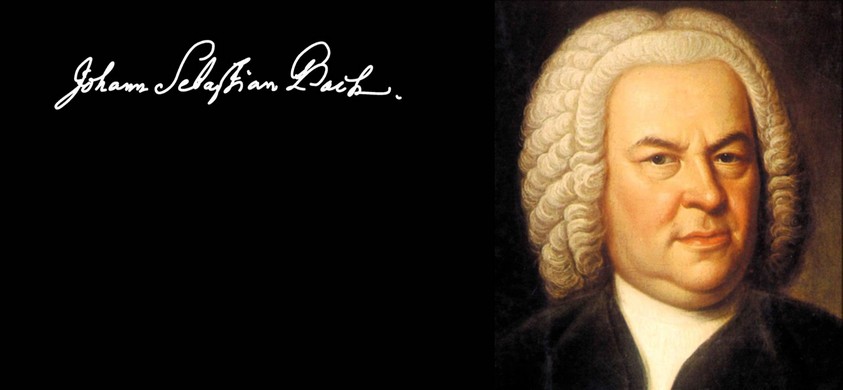
The most outstanding
representative of the German musical baroque was born in a village in Thuringia
as a descendant of a family devoted to music for at least four generations.
Orphaned by his father and mother at the age of ten, he attended the high school
in Ohrdruf as a guest of his brother Johann Christoph who learned the rudiments
of music. But Johann Sebastian was essentially self-taught and was able to
treasure his experience as a singing child in Lüneburg (from 1700), where he
learned valuable lessons from studying in the well-stocked library of San
Michele. Here he studied the works of foreign masters - mainly Italians- and
came into contact with a flourishing musical life that introduced him to German
performers and foreigners and led him to often go to Hamburg, where the North
German school was in full bloom. In 1703 he entered the Weimar court as a
violinist, but a few months later, we find him in Arnstadt as an organist in
San Bonifacio, where he remained for four years. He held the same position in
Mühlhausen in the church of San Biagio, and in Dornheim, he married his cousin
Maria Barbara. Still, in 1708, following the alteration of relations with the
musical environment of the town, he returned to Weimar as court organist. Here
he became the first violin in the orchestra in 1714; he returned to the study
of the Italians (Vivaldi and Frescobaldi in particular). Still, he was unable
to obtain the post of choirmaster in 1716. Hence, a year later, he entered the
court of Cothen with this position, where he remained until 1723 (passing after
the death of Maria Barbara in a second marriage with Anna Magdalena Wilcken in
1721), and where she had the opportunity to devote herself in particular to
secular music (the Six Brandenburg Concerts are born here).
In 1723 he finally
settled as Cantor and music director in St. Thomas of Leipzig after passing a
complicated exam. Here he will remain for the rest of the days, not without
occasionally traveling to inaugurate new organs, visit his sons, give concerts,
and in 1747 play in Potsdam in the presence of Frederick the Great.
In Leipzig, the practical
commitments (the school, the direction of the choir and the orchestra, the
discipline of the children entrusted to him) absorbed him a lot, the friction
with the city council did not make his life easy, and even the family
environment is not exactly idyllic. Yet, Bach found a way to write a new
cantata for each week and to conceive some of his most colossal creations in
the field of sacred music (the Great Mass in B minor and four other minor
masses, the Passions, the Christmas Oratorio, as well as to several minor
compositions). In 1749 he had his eyes operated on by a famous English
ophthalmologist. Still, he lost his sight entirely, and his general conditions
worsened, so much so that a year later, he died of apoplexy while he was about
to complete the colossal Art of escape.
It remains an
unforgettable memory for the whole XVIII century as an organist than as a
composer (his widow will end up in poverty in the common grave). Only in 1802
did the historian Johann N. Forkel re-evaluate his importance as a composer in
an essay, and in 1829 Mendelssohn presented the Passion according to St.
Matthew in Berlin. Here begins the ascending parable of Bach's fame, which remains
uncorrupted and very high over two centuries after death.
Germany still lacked a
clear stylistic musical direction in the 17th century, unlike Italy and France.
The activity was dispersed in the many courts of large and small cities and
imitated without absorbing the most striking cultural phenomena of other
countries: do not forget that Schüz had come to study in Italy with Gabrieli
and that most of the German musicians of the ' 600 had trained at the Dutch
Sweelinck school. With Bach, German music receives a decisive impulse. With his
colossal work, Bach defines and individualizes the specific characters of
Germanic music. The composer of Eisenach identifies Protestant sacred music as
one of the elements that can give greater individuality to national production
and conceives of the great Passions and cantatas. In instrumental music, he
refers to Italian models but relives them from within a pearl of constructive
wisdom that does not forget that of the old masters of the Netherlands.
Finally, he identifies the organ as a solo instrument of capital importance and
creates a vast collection of works of unsurpassed value.
Bach was thus able to
avoid the current fashion in the courts. He realized that the premises of
autonomous art in the national sense could not be created along the line of the
salons' innovations by the French. In a period in which Italian opera dominated
not by chance. He refrained from a theatrical production which led to the
accusation of conservatism that was raised in his life and the widespread
feeling that he was an outdated composer even before completing his work.
History has instead established that the real innovator was Johann Sebastian,
not, for example, his contemporary Telemann, undoubtedly more "à la
page" than him and yet much less modern in spirit.
In his instrumental
works, Bach laid the foundations for the orchestra of the late eighteenth
century. He made far-sighted use of the most diverse instruments; he also gave
dances of Italian or French origin a formal structure that no longer allowed
them to be confused with the available music of that time. : with him begins an
evolution that will lead directly to the most varied and daring developments of
the German school, first classical and later romantic.
Brandenburg Concerts
In 1720 Bach met Margrave Christian Ludwig von Brandenburg in Karlsbad, who invited him to write pieces for his chapel. Thus were born in 1721, conceived on the Italian model of Corelli and Vivaldi. These six concerts denote an in-depth thematic and contrapuntal elaboration. The latter is much richer and more anticipatory than had ever happened in the works of the Italians and Handel himself. According to the large concert model, these pieces are characterized by the concertante game between some instruments ("concertino"), contrasting with the orchestral block. They do so through a dialectic that drags the listener from the first to the last bar. The staff of the orchestra and the "concertino" varies from piece to piece: it should be borne in mind that these six compositions were written for an orchestra, that of the Margrave of Brandenburg, particularly rich in possibilities and that in them, the author tended to achieve the most excellent variety of combinations.
CONCERT No. 1 IN F MAJOR - Includes three oboes, two horns, a bassoon, tiny violin, strings, and harpsichord. The initial "Allegro" of majestic character and tireless rhythm precedes an "Adagio," which is considered among Bach's rare instrumental pieces on the type of "accompanied melody." In the latter, the oboe, violin, and bass alternate in the slender melodic conduct, with the expressive intervention of the other instruments that punctuate the flowery flow of the central part with often dissonant harmonies (sometimes with overlapping of different tonalities). The third movement, "Allegro," in six eighths, resumes a lively rhythmic character. Similarly, at the end of the Concerto, we have "Minuet" (and relative "trio") and "Polacca" (also with "trio") with a full-bodied sonority of the wind instruments as if to give the composition a Landler character to be performed in the open air.
CONCERT N. 2 IN F MAJOR - Composed of trumpet, flute, oboe, violin, strings, and harpsichord, it presents a typical diversity between "tutti" and "concertino," allowing the composer a play of lights and shadows, of dynamic contrasts unusual. After the initial "Allegro" in 2/2, the "Andante" is entrusted to flute, oboe, and violin solos, accompanied by cellos and harpsichord. It is a peaceful movement in 3/4 in the key of D minor, where the contrapuntal interweaving of the three "suns" unfolds in a discourse that does not lose its marked melodic characteristics for an instant. And with a real stroke of timbre genius, the last tempo ("Allegro molto") starts, in contrast to the whole atmosphere of the previous piece, with a trumpet solo. To the latter, the oboe immediately followed by imitation, then the solo violin, the flute, and finally the "tutti," arriving in various alternations of doughs to a festive conclusion. The trumpet again gives a triumphant character. Note the use of the small trumpet in F: it is an unusual instrument today that requires specialized players. The way Bach utilizes it here gives the whole an extraordinary character of brightness.
CONCERT N. 3 IN G MAJOR - Unlike the others, the staff of the Third Concerto consists of only strings and a harpsichord. The role of "concertino" is assumed from time to time by the trio of violins, violas, and cellos, thus achieving a unity of timbre that still allows a dynamic understanding and endless variety due to the register changes. The whole concert sounds a tireless and enthralling rhythm. Especially in the first half acquires an unusual vigor thanks to the massive intervention of the entire orchestra in the salient points of the thematic development. Another characteristic of this composition is the lack of slow tempos: after an "Adagio" of a single measure which serves to introduce a momentary harmonic variation (with a passage to the dominant of E minor), the second movement - "Allegro "- begins with a fast action of eighths and sixteenth notes in 12/8, where the play of imitations leads to dynamic peaks of rare intensity, despite the absolute serenity of the whole speech.
CONCERT N. 4 IN G MAJOR - With the Fourth Concerto, Bach contrasts the "tutti" with two flutes and a "main violin." Here too, the first movement, in 3/8, denotes a playful, almost carefree trend of chasing each other and contrasting the instruments of the "concertino" not only with the whole orchestra but also with each other. Today's listener, accustomed to regular performances with modern flutes (transverse flutes), undoubtedly loses an essential part of the effectiveness of this beautiful Bach Concerto, initially conceived for two straight flutes. The nourished sound of our orchestras and the vastness of the environments in which symphonic music is played would not allow us to appreciate these instruments' faint sounds properly. However, to this chamber dimension, the whole Fourth Concert must be traced back to listening. The second movement, "Andante" in E minor, shows off a broad baroque pathetism, typical for the two by two eighth note ligatures and the apparent contrast of piano and forte. The final "Presto" in cut time is, on the other hand, a vigorous escape, where the dialectic between "suns" and "all" gives rise to ever new and always unpredictable figurations in the fun of the imagination that captivates and excites.
CONCERT N. 5 IN D MAJOR - And here we are at the Fifth Concerto, the most popular and brilliant, the most virtuosic and immediate of the Eisenach master. The role of "concertino" is entrusted to the flute, violin, and harpsichord, and here the solo element jumps clearly to the foreground in the whole structure of the work. This happens above all in the first movement, which with its elastic rhythms and at the same time solidly anchored to a constant direction, leads to a series of episodes of the three "suns" that are enriched with ever new modulations and designs up to the tremendous final cadence of the harpsichord, perhaps the most virtuosic piece that Bach wrote for this instrument.
As it had already happened in the Second Concerto, the central slow tempo is entrusted to the three soloists. It is entirely based on a tenuous recording exhibited by the violin. Here, the intertwining of the solos only gives greater prominence to the melodic component of this short piece, which Bach indicated with the superscription "Affectionate." Finally, in the last movement ("Allegro" in 2/4), it is again the soloists who initially propose a theme clearly articulated in triplets. At the same time, the orchestra's entrance, without introducing new elements, brings back the characteristic sonorities of the big concert, alternating until the end with the soloists in a varied and always elegant intertwining.
CONCERT N. 6 IN B BEMOLLE MAJOR - It is the only one of the six that requires an instrumental out of the ordinary, especially nowadays: without violins, it has violas, violas, cello, violone, and harpsichord. The instruments of the ancient viola family would therefore be necessary for the execution, which, compared to the modern viola, has many differences and has long since fallen into disuse. However, the Sixth Concerto, now also performed with a standard string orchestra (note the lack, as in the Third, of wind instruments), deserves to be considered on a par with the best Bach concertos.
The first movement is based on one of those typical procedures in which the thematic element also becomes the main factor of rhythmic propulsion. Thus, the canon between the two violas at a distance of only two sixteenth notes generates one of those discourses in which the rhythmic flow is supported by a profound contrapuntal science, giving life to one of Bach's most intense instrumental pages has written. Suppose the central "Adagio ma non molto" may seem less happy in the invention. In that case, the final "Allegro" refers to the main characters of the beginning, giving rise, in a vigorous 12/8 time, to a vast fresco in which, once again, the most surprising element is granted by the singular timbral color of the whole.
Suites for orchestra
The period when the four suites were composed (or - according to the custom of the time - "overtures") is uncertain. However, it is believed that the first two were written in Cothen around 1721 and the others in Leipzig (doubtful the attribution to Bach of a fifth suite). It is a series of dance pieces modeled on the French and Italian composers of the '600-'700. On the other hand, Bach prepares a solemn prelude to it, almost as if to admonish that it is not the usual dance music but an art form that is now autonomous and capable of a life of its own.
SUITE N. 1 IN C MAJOR: it is a composition with a light and bright character, authentic entertainment music that does not want to draw particular depths of thought. Alongside the usual currents, gavotte, minuets, and bourrées, also note the presence of a dance of presumably Italian origin, such as the "Forlana" or Friulian.
SUITE N. 2 IN B MINOR: it is an amusement of incomparable formal refinement, in which the dances of the time (after the "Prelude," in the order: "Rondeau," "Sarabande," "Bourrée I" and "Bourrée II, '' "Polonaise," "Minuetto" and "Badinerie") are transfigured in a discourse that makes them tiny jewels of elegance and timbre and formal accuracy.
SUITE N. 3 IN D MAJOR: of large proportions not only for the extension of the five pieces that compose it but also for the orchestra's staff, including two oboes, three trumpets, timpani, and harpsichord (in addition to the mass of the strings), the dance character, especially in the first and second pieces, almost entirely disappears to make way for a musical elaboration that knows no patterns or conventions: particularly the "Air," which comes in second place in the order of the pieces after the 'overture, deserves attention for its spread in scrolls expressive and truly touching melodic movements. Two "Gavotte," a "Bourrée," and a "Giga" follow, which conclude this varied score in serenity.
SUITE N. 4 IN D MAJOR: less popular than the previous ones, it presents some moments in which we find the best Bach next to weaker pages. At the beginning of the pompous system, singularly analogous to the third, there is a rapid "Allegro" in 9/8 which ends again with the initial slow tempo.
Two "Bourrées," one "Gavotta," two "Minuets," and a final "Réjouissance," which is a curious name for a lively 3/4 time with a dance character followed it.
The art of escape
Die Kunst der Fuge (1749-50) - Unanimously considered the summa of the contrapuntal science of musical baroque, this grandiose composition remained unfinished and bore no indication of instruments, as if Bach had thought of it as a score to be enjoyed exclusively in reading with the inner ear. Based on a theme in D minor of extreme conciseness and melodic simplicity Bach creates a series of derivative themes by inversion, melodic or rhythmic variation, and other gimmicks. He realizes a composition of 21 pieces whose order of execution, a cause of the musician's death, which occurred when the composition was not completed, is not definitively fixed.
Considered for many years, even after Bach's re-evaluation, as an exclusively learned and theoretical product, as a mere demonstration of a transcendental technical ability, the Art of fugue revealed its profound artistic validity only in relatively recent times. Since then, it conquered its inalienable place among the highest creations of the Eisenach Master.
The score needs to be transcribed for one or more modern instruments since the autograph leaves the absolute freedom of choice. The Art of Fugue requires a chamber orchestra and takes up an entire program in current transcriptions. After Graeser edited the first orchestra transcription in 1927, numerous others were edited by Husmann, David, Vuataz, Mlinchinger, the very personal but fascinating one by H. Scherchen, and so on (besides various transcriptions for a keyboard instrument).
Here is the order of succession of the 21 passages, subject, however, to changes in the various transcriptions; keep in mind that the term "contrapunctus" is equivalent to the modern fugue:
Contrapunctus 1-5 (all for 4 voices);
Contrapunctus 6 "in French style" (for 4 voices);
Contrapunctus 7 for aggravation and decrease (4 voices);
Contrapunctus 8 (for 3 voices);
Contrapunctus 9-11 (for 4 voices);
Contrapunctus 12: a) for right motion, b) for opposite motion (4 voices);
Contrapunctus 13, in two parts like 12 (for 3 voices);
Contrapunctus 14 (for 4 voices);
2-item fee for aggravation and contrary motion;
2-voice canon in the octave;
2-voice canon at the tithe;
2-voice canon at the twelfth;
Fugue I and II for 2 pianos;
Fugue 3 subjects (4 voices), unfinished.
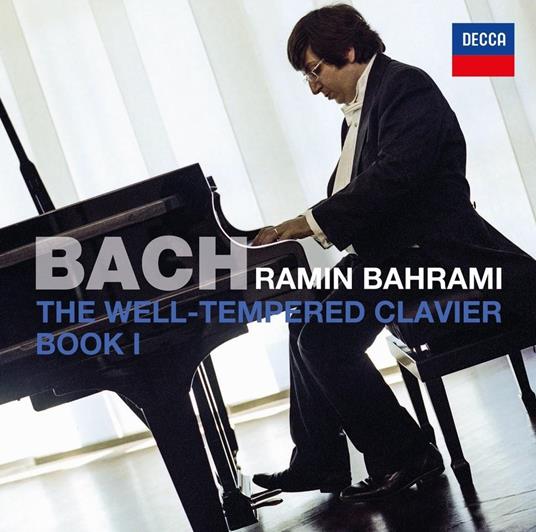
The well tempered harpsichord
The two books of Preludes and Fugues bearing the title of Well-Tempered Clavier date back to two different periods in Bach's life and activity. Book I was completed in 1722 during Köthen's period, as the autograph preserved in the Deutsche specifies Staatsbibliothek in Berlin, while Book II was compiled between 1740 and 1744 when the great musician was now permanently residing in Leipzig. This second autograph, considered lost for a long time, was purchased in 1896 by the British Museum in London, where it is located. There are various copies of the complete collection. Some of them saw the light already in the years immediately following the creation of the work.
Only the first book appeared with the title of Well-tempered Harpsichord, whereas the second book bore the title of Twenty-four new preludes and fugues. The layout of the two books is perfectly analogous so that they were usually considered two parts of the same work. Each book includes twenty-four Preludes and twenty-four Fugues: a Prelude and a Fugue for each of the different shades that follow one another in ascending chromatic order.
Each piece has its own specific character that differentiates it from all the others. The Preludes are carried out in multiple forms and constitute the moment, so to speak static, of the compositional structure: furthermore, the Preludes show a greater variety of attitudes, they refer to the archaic style of the Toccata, or they anticipate the gallant style, they are affected by specific organ compositions, or they refer to the dances of the ancient Suite. The Fugues, on the other hand, represent the dynamic element of the compositional structure. They signify the outcome of Bach's astonishing inventiveness on the same subject, moving from the simplest to the most complex figures. Bach treats them with new aspects and is very close to the nature of the thematic material used each time. There is a two-part fugue in the first book, eleven three-part fugues, ten four-part fugues, two five-part fugues; in book II, there are fifteen three-part fugues and nine four-part fugues. As Alberto Basso observes with insight, Bach was "very expert in the art of fugue, which in his youth he had cultivated above all in cantatas and works for organ, with the fugues of the well-tempered harpsichord he set about to give a systematic and scientific arrangement to a subject in boiling, confirming how provocative the manifestation of the laws of attraction could be exerted by the progressive affirmation of tonalism. The stylus antiquus, the counterpoint understood in the most rigorous of its expressions that of canonical imitation, now found a new setting: with the consolidation of the temperate staircase, the fugue was erected as a rigid but not immobile architectural system, bound to a specific formalism which could affect every aspect of the composition, not least the nature of the thematism.
The Preludes and Fugues of the 2nd book, perfectly analogous in their layout, substantially present some differences compared to the previous collection, the main one of which lies in the greater breadth of the Preludes of the 2nd book, also highlighted by the frequent use of the form bipartite (nos. 2, 5, 8, 9, 10, 12, 15, 18, 20 and 21), mainly with a more significant second part. This attention paid to the bipartite structure probably derives from the habit of the forms of dance. Also, in the Fugues of the II book, in addition to the adoption of the archaic style (nos. 7 and 9) and the absence of five-voice schemes, the evident influence of dance rhythms occurs (nos. 1, 4, 11, 13, 15, 17, 21 and 24). Finally, the relationship of metric unity between Prelude and Fugue is less marked, which in the first book occurs in nine cases while in the second only in five (nos. 2, 3, 8, 12, 20). From these and other observations derives the consideration that the second book of Preludes and Fugues was created in an artistic and practical context very different from the one existing in Köthen, where the need for an ethical commitment to take care of the gradual professional preparation of Bach's first children. In Leipzig, as Alberto Basso once wrote, "in the bourgeois and academic civitas lipsiense, the well-tempered harpsichord is at the center of a compositional process in which keyboard instruments, harpsichord, and organ emerge as protagonists, with an astonishing progression of inventions and deductions that, coming back from the tested experiences of the suite and the concert, conquer the deep spaces of speculation, of musica artificialis, of the ars combinatorial, without losing sight of the initial opportunities and motivations that are those of the exercise, of the experimentum, of the ratio ordinis."
Il massimo rappresentante del barocco musicale tedesco nacque in un paese della Turingia come discendente di una famiglia dedita alla musica da almeno quattro generazioni. Rimasto orfano di padre e di madre all'età di dieci anni, frequentò il liceo di Ohrdruf, ospite del fratello Johann Christoph che gli trasmise i rudimenti della musica. Ma Johann Sebastian fu essenzialmente autodidatta, e seppe far tesoro della sua esperienza come fanciullo cantore a Lüneburg(dal 1700), dove trasse insegnamenti preziosi dallo studio nella fornita biblioteca di San Michele. Qui studiò le opere dei maestri stranieri - in particolare italiani - e venne in contatto con una vita musicale rigogliosa che gli fece conoscere esecutori tedeschi e stranieri e lo indusse a recarsi sovente ad Amburgo dove era in piena fioritura la scuola tedesca del nord. Nel 1703 entra alla corte di Weimar in qualità di violinista, ma pochi mesi dopo lo troviamo ad Arnstadt come organista a San Bonifacio, dove resta per quattro anni. Ricopre la stessa carica a Mühlhausen nella chiesa di San Biagio, e a Dornheim sposa la cugina Maria Barbara, ma nel 1708, in seguito all'alterazione dei rapporti con l'ambiente musicale della cittadina, ritorna a Weimar in qualità di organista di corte. Qui diviene nel 1714 primo violino nell'orchestra, ritorna allo studio degli italiani (Vivaldi e Frescobaldi in particolare), ma non riesce a ottenere nel 1716 il posto di maestro di cappella, sicché un anno dopo entra con tale carica alla corte di Cothen, dove rimane sino al 1723 (passando dopo la morte di Maria Barbara a seconde nozze con Anna Magdalena Wilcken nel 1721), e dove ha modo di dedicarsi in particolare alla musica profana (nascono qui i Sei Concerti brandeburghesi).
Nel 1723 si insedia, infine, in qualità di Cantor e direttore di musica a San Tommaso di Lipsia, dopo aver superato un difficile esame. Qui rimarrà per il resto dei suoi giorni, non senza spostarsi occasionalmente per inaugurare nuovi organi, per far visita ai figli, per tenere concerti, e nel 1747 per suonare a Potsdam alla presenza di Federico il Grande.
A Lipsia gli impegni pratici (la scuola, la direzione del coro e dell'orchestra, la disciplina dei ragazzi affidatigli) lo assorbono moltissimo, gli attriti col consiglio comunale non gli rendono la vita facile, e anche l'ambiente familiare non è propriamente idillico; eppure Bach trova il modo di scrivere una nuova cantata per ogni settimana e di concepire alcune delle sue piu colossali creazioni nel campo della musica sacra (la Grande Messa in si minore e altre quattro messe minori, le Passioni, l'Oratorio di Natale, oltre a una serie di composizioni minori). Nel 1749 si fa operare agli occhi da un celebre oculista inglese, ma perde interamente la vista e le sue condizioni generali si aggravano, tanto che un anno dopo muore di apoplessia, mentre sta per portare a termine la colossale Arte della fuga.
Di lui resta per tutto il sec. XVIII un ricordo imponente più come organista che come compositore (la sua vedova finirà in miseria nella fossa comune). Solo nel 1802 lo storico Johann N. Forkel ne rivaluta in un saggio l'importanza di compositore, e nel 1829 Mendelssohn presenta a Berlino la Passione secondo S. Matteo: incomincia qui la parabola ascendente della fama di Bach, che resta incorrotta e altissima a oltre due secoli dalla sua morte.
Con la sua opera colossale Bach definisce e individualizza i caratteri specifici della musica germanica. A differenza dell'Italia e della Francia, la Germania manca ancora nel '600 di un chiaro indirizzo stilistico musicale; l'attività è dispersa nelle molteplici corti di città grandi e piccole, e imita senza assorbirli i fenomeni culturali piu appariscenti di altri paesi: non si dimentichi che Schüz era venuto a studiare in Italia con Gabrieli, e che buona parte dei musicisti tedeschi del '600 si erano formati alla scuola dell'olandese Sweelinck. Con Bach la musica tedesca riceve un impulso decisivo. Il compositore di Eisenach individua nella musica sacra protestante uno degli elementi che possono dare maggiore individualità alla produzione nazionale, e concepisce le grandi Passioni e le cantate; nella musica strumentale si rifà a modelli italiani, ma rivivendoli dall'interno di una sapienza costruttiva che non dimentica quella degli antichi maestri dei Paesi Bassi; infine individua l'organo come strumento solistico di importanza capitale, e crea per esso una raccolta vastissima di opere di insuperato pregio.
Bach seppe così evitare la moda corrente nelle corti, si rese conto che non sulla linea delle innovazioni salottiere dei francesi si potevano creare le premesse di un'arte autonoma in senso nazionale, e in un periodo in cui dominava l'opera italiana non a caso si astenne dalla produzione teatrale. Di qui l'accusa di conservatorismo che gli fu mossa in vita, di qui la sensazione diffusa che egli fosse un compositore sorpassato ancora prima di aver portato a termine la sua opera. La storia ha stabilito invece che il vero innovatore era Johann Sebastian, non ad esempio il suo contemporaneo Telemann, indubbiamente piu "à la page" di lui eppure tanto meno moderno nello spirito.
Nelle opere strumentali Bach ha posto le premesse dell'orchestra di fine Settecento, ha fatto uso lungimirante degli strumenti più diversi, ha dato anche alle danze di origine italiana o francese un impianto formale che non permette più di confonderle con la musica funzionale dell'epoca: con lui incomincia un'evoluzione che porterà direttamente agli sviluppi più vari ed arditi della scuola tedesca, classica prima e romantica più tardi.
Concerti Brandeburghesi
Nel 1720 Bach incontrò a Karlsbad il margravio Christian Ludwig von Brandenburg, che lo invitò a scrivere dei pezzi per la sua cappella. Nacquero così nel 1721, concepiti sul modello italiano di Corelli e Vivaldi, questi sei concerti che denotano un'approfondita elaborazione tematica e contrappuntistica, assai più ricca e anticipatrice di quanto non fosse mai avvenuto nelle opere degli italiani e dello stesso Handel. Secondo il modello del concerto grosso, questi pezzi sono caratterizzati dal gioco concertante di alcuni strumenti ("concertino") in contrapposizione con il blocco orchestrale, in una dialettica che trascina l'ascoltatore dalla prima all'ultima battuta. L'organico dell'orchestra e del "concertino" varia di pezzo in pezzo: si tenga presente che queste sei composizioni furono scritte per un'orchestra, quella del margravio del Brandeburgo, particolarmente ricca di possibilità, e che in esse l'autore tendeva a raggiungere la maggior varietà di combinazioni.
CONCERTO N. 1 IN FA MAGGIORE - Comprende tre oboi, due corni, un fagotto, violino piccolo, archi e clavicembalo. All'"Allegro" iniziale di carattere maestoso e dal ritmo instancabile, segue un "Adagio" che è da considerarsi tra i rari pezzi strumentali di Bach sul tipo della "melodia accompagnata," in cui l'oboe, il violino e i bassi si alternano nella slanciata condotta melodica, con l'intervento espressivo degli altri strumenti che punteggiano con armonie spesso dissonanti (a volte con sovrapposizione di tonalità diverse) il decorrere fiorito della parte principale. Il terzo tempo, "Allegro" in sei ottavi, riprende un carattere festosamente ritmico, mentre a conclusione del Concerto abbiamo un "Minuetto" (e relativo " trio") e una "Polacca" (pure con "trio") in cui predominano le sonorità corpose degli strumenti a fiato, quasi per dare alla composizione un carattere di Landler da eseguirsi all'aria aperta.
CONCERTO N. 2 IN FA MAGGIORE - Composto per tromba, flauto, oboe, violino, archi e cembalo, presenta una tipica diversità tra "tutti" e "concertino," che permette al compositore un gioco di luci e di ombre, di contrasti dinamici veramente insoliti. Dopo l"'Allegro" iniziale in 2/2, l"'Andante" è affidato a flauto, oboe e violino soli, con accompagnamento dei violoncelli e del cembalo: è un movimento pacato in 3/4 nella tonalità di re minore, dove l'intreccio contrappuntistico dei tre "soli" si distende in un discorso che non perde per un istante le sue spiccate caratteristiche melodiche. E con un vero colpo di genio timbrico, l'ultimo tempo ("Allegro assai") attacca, in contrasto con tutta l'atmosfera del brano precedente, con un assolo della tromba, a cui subito dopo si aggiungono per imitazione l'oboe, poi il violino solo, il flauto e infine il "tutti," giungendo in varie alternanze di impasti a una conclusione festosa cui la tromba dà nuovamente un carattere esultante. Da notarsi l'impiego della tromba piccola in fa: è uno strumento oggi insolito, per cui si richiedono esecutori specializzati, e l'uso che ne fa qui Bach dà all'insieme un carattere di luminosità particolarissimo.
CONCERTO N. 3 IN SOL MAGGIORE - A differenza degli altri, l'organico del Terzo Concerto è costituito da soli archi e cembalo. II ruolo di "concertino" è assunto di volta in volta dal trio dei violini, delle viole e dei violoncelli, conseguendo in tal modo un'unità di timbro che permette pur sempre un'intesa dinamica e una costante varietà, data dai cambi di registro. Tutto il Concerto sta sotto il segno di un ritmo instancabile e trascinante, che specie nel primo tempo acquista un vigore inconsueto grazie all'intervento massiccio della piena orchestra nei punti salienti dello svolgimento tematico. Un'altra caratteristica di questa composizione è data dalla mancanza di tempi lenti: dopo un "Adagio" di una sola battuta che serve sostanzialmente a introdurre una momentanea variazione armonica (con un passaggio alla dominante di mi minore), il secondo tempo - "Allegro" - attacca con un movimento veloce di ottavi e di semicrome in 12/8, dove il giuoco delle imitazioni porta a culmini dinamici di rara intensità, pur nella fondamentale serenità di tutto il discorso.
CONCERTO N. 4 IN SOL MAGGIORE - Con il Quarto Concerto Bach contrappone al "tutti" due flauti e un "violino principale": anche qui il primo tempo, in 3/8, denota un andamento giocoso, direi quasi spensierato, nel rincorrersi e nel contrapporsi degli strumenti del "concertino" non solo con l'intera orchestra, ma anche tra di loro. L'ascoltatore odierno, abituato alle normali esecuzioni con i flauti moderni (flauti traversi), perde indubbiamente una parte importante dell'efficacia di questo bel Concerto bachiano, concepito in origine per due flauti diritti. Il suono nutrito delle nostre orchestre e la vastità degli ambienti in cui si esegue la musica sinfonica non permetterebbero del resto di apprezzare a dovere il flebile suono di questi strumenti: ma è a questa dimensione cameristica che va ricondotto nell'ascolto tutto il Quarto Concerto. Il secondo tempo, "Andante" in mi minore, fa sfoggio di un ampio patetismo barocco, tipico per le legature delle crome a due a due e per la netta contrapposizione di piano e di forte: ma il "Presto" finale in tempo tagliato è una fuga vigorosa, dove la dialettica tra "soli" e "tutti" dà luogo a figurazioni sempre nuove e sempre imprevedibili, in un divertimento della fantasia che avvince ed entusiasma.
CONCERTO N. 5 IN RE MAGGIORE - Ed eccoci al Quinto Concerto, il più popolare e anche il più brillante, il più virtuosistico e immediato del maestro di Eisenach. Il ruolo di "concertino" è affidato a flauto, violino e clavicembalo, e qui davvero l'elemento solistico balza nettamente in primo piano in tutta la struttura dell'opera. Così avviene soprattutto nel primo tempo, che con i suoi ritmi elastici e insieme solidamente ancorati a un movimento costante, porta a una serie di episodi dei tre "soli" che si arricchiscono di modulazioni e disegni sempre nuovi fino alla grande cadenza finale del cembalo, il pezzo forse più virtuosistico che Bach abbia scritto per questo strumento.
Come già era avvenuto nel Secondo Concerto, il tempo lento centrale è affidato ai tre solisti: esso si basa interamente su un tenue inciso esposto dal violino, e anche qui l'intreccio dei soli serve solo a dare maggior risalto alla componente melodica di questo breve brano, che Bach non per nulla ha indicato con la soprascritta "Affettuoso." Nell'ultimo tempo infine ("Allegro" in 2/4) sono di nuovo i solisti a proporre inizialmente un tema nettamente scandito in terzine, mentre l'entrata dell'orchestra, pur senza introdurre elementi nuovi, riporta alle sonorità caratteristiche del concerto grosso, alternandosi fino al termine con i solisti in un intreccio vario e sempre elegante.
CONCERTO N. 6 IN SI BEMOLLE MAGGIORE - È l'unico dei sei che richieda uno strumentale fuori dal comune specialmente al giorno d'oggi: privo dei violini, esso ha in organico viole da braccio, viole da gamba, violoncello, vialone e cembalo. Sarebbero dunque necessari per l'esecuzione gli strumenti della famiglia dell'antica viola, che rispetto alla viola moderna ha non poche differenze ed è da tempo caduta in disuso. Comunque il Sesto Concerto, oggi eseguito anche con un'orchestra d'archi normale (si noti la mancanza, come nel Terzo, di strumenti a fiato), merita di essere considerato alla stregua dei migliori concerti bachiani.
Il primo tempo è basato su uno di quei tipici procedimenti in cui l'elemento tematico diventa anche principale fattore di propulsione ritmica: così il canone tra le due viole a distanza di due sole semicrome genera uno di quei discorsi in cui il flusso ritmico è sorretto da una profonda scienza contrappuntistica, dando vita a una delle pagine strumentali più intense che Bach abbia scritto. Se l'"Adagio ma non tanto" centrale può parere meno felice nell'invenzione, l"'Allegro" finale si richiama ai caratteri precipui dell'inizio, dando luogo, in un vigoroso tempo di 12/8, a un vasto affresco in cui ancora una volta l'elemento più sorprendente è dato dal singolare colorito timbrico dell'insieme.
Suites per orchestra
Incerta è l'epoca in cui furono composte le quattro suites (o - secondo l'uso dell'epoca - "ouvertures "): ma si ritiene che le prime due siano state scritte a Cothen intorno al 1721 e le altre a Lipsia (dubbia rimane l'attribuzione a Bach di una quinta suite). Formalmente si tratta di una serie di pezzi di danza, sul modello dei compositori francesi e italiani del '600-'700. Bach peraltro vi prepone un preludio a carattere grave, quasi ad ammonire che non si tratta della consueta musica di danza, ma di una forma d'arte ormai autonoma e capace di vita propria.
SUITE N. 1 IN DO MAGGIORE: è una composizione di carattere leggero e brillante, vera musica da intrattenimento che non vuole attingere particolari profondità di pensiero. Si noti accanto alle consuete correnti, gavotte, minuetti, e bourrées anche la presenza di una danza di origine presumibilmente italiana come la "Forlana" o friulana.
SUITE N. 2 IN SI MINORE: è un divertimento di incomparabile raffinatezza formale, in cui le danze dell'epoca (dopo il "Preludio," nell'ordine: "Rondeau," "Sarabande," "Bourrée I" e "Bourrée II,'' "Polonaise," "Minuetto" e "Badinerie") vengono realmente trasfigurate in un discorso che ne fa piccoli gioielli di eleganza e di accuratezza timbrica e formale.
SUITE N. 3 IN RE MAGGIORE: di proporzioni ampie non solo per l'estensione dei cinque brani che la compongono ma anche per l'organico dell'orchestra comprendente due oboi, tre trombe, timpani e cembalo (oltre alla massa degli archi), il carattere di danza, specie nel primo e nel secondo brano, scompare quasi interamente per far posto a un'elaborazione musicale che non conosce schemi né convenzioni: particolarmente l'"Air," che viene al secondo posto nell'ordine dei pezzi dopo l'ouverture, merita attenzione per il suo andamento disteso in volute espressive e in movenze melodiche davvero toccanti. Seguono due "Gavotte," una "Bourrée" e una "Giga" che concludono in serenità questa varia partitura.
SUITE N. 4 IN RE MAGGIORE: meno popolare delle precedenti, presenta accanto a pagine più deboli qualche momento in cui ritroviamo il Bach migliore. A un inizio dall'impianto pomposo, singolarmente analogo a quello della terza, succede un rapido "Allegro" in 9/8 che conclude di nuovo col tempo lento iniziale.
Seguono due "Bourrées," una "Gavotta," due "Minuetti" e una finale "Réjouissance,'' che è denominazione curiosa per un tempo vivace in 3/4 a carattere di danza.
L'arte della Fuga
Die Kunst der Fuge (1749-50) - Unanimemente considerata come la summa della scienza contrappuntistica del barocco musicale, questa grandiosa composizione rimase incompiuta, e non reca nessuna indicazione di strumenti, quasi che Bach l'avesse pensata come una partitura da gustarsi esclusivamente alla lettura, con l'orecchio interiore. Sulla base di un tema in re minore di estrema concisione e semplicità melodica Bach crea una serie di temi derivati, per inversione, per variazione melodica o ritmica e con altri artifici, dando origine a una composizione di 21 brani il cui ordine di esecuzione, a causa della morte del musicista verificatasi a composizione non ultimata, non risulta fissato in maniera definitiva.
Considerata per molti anni, anche dopo la rivalutazione di Bach, come un prodotto esclusivamente dotto e teorico, come mera dimostrazione di un'abilità tecnica letteralmente trascendentale, l'Arte della fuga ha rivelato solo in tempi relativamente recenti la sua profonda validità artistica, conquistandosi così il suo posto inalienabile tra le creazioni più alte del Maestro di Eisenach.
La partitura necessita di essere trascritta per uno o più strumenti moderni, dato che l'autografo lascia la più assoluta libertà di scelta. Dopo la prima trascrizione per orchestra curata nel 1927 dal Graeser, se ne sono avute numerose altre, a cura di Husmann, David, Vuataz, Mlinchinger, quella personalissima ma assai ricca di fascino di H. Scherchen, e cosìvia (inoltre varie trascrizioni per strumento a tastiera). Nelle trascrizioni correnti l'Arte della fuga richiede un'orchestra da camera e occupa un intero programma.
Ecco l'ordine di successione dei 21 brani, soggetto peraltro a modifiche nelle varie trascrizioni; si tenga conto che il termine "contrapunctus" equivale alla moderna fuga:
Contrapunctus 1-5 (tutti a 4 voci);
Contrapunctus 6 "in stile francese" (a 4 voci);
Contrapunctus 7 per aggravamento e diminuzione (a 4 voci);
Contrapunctus 8 (a 3 voci);
Contrapunctus 9-11 (a 4 voci);
Contrapunctus 12: a) per moto retto, b) per moto contrario (a 4 voci);
Contrapunctus 13, in due parti come il 12 (a 3 voci);
Contrapunctus 14 (a 4 voci);
Canone a 2 voci per aggravamento e per moto contrario;
Canone a 2 voci all'ottava;
Canone a 2 voci alla decima;
Canone a 2 voci alla dodicesima;
Fuga I e II per 2 pianoforti;
Fuga 3 soggetti (a 4 voci), incompiuta.
Il clavicembalo ben temperato
I due libri di Preludi e Fughe che portano il titolo di Clavicembalo ben temperato risalgono a due diversi periodi della vita e dell'attività di Bach: il I libro fu completato nel 1722 durante il periodo di Köthen, come precisa l'autografo conservato nella Deutsche Staatsbibliothek di Berlino, mentre il II libro venne compilato tra il 1740 e il 1744 quando il sommo musicista risiedeva ormai stabilmente a Lipsia. Questo secondo autografo, per lungo tempo considerato perduto, fu acquistato nel 1896 dal British Museum di Londra, ove si trova. Della raccolta completa esistono varie copie, alcune delle quali videro la luce già negli anni immediatamente successivi alla realizzazione dell'opera.
Soltanto il I libro apparve con il titolo di Clavicembalo ben temperato, laddove il II libro recava il titolo di Ventiquattro nuovi preludi e fughe. L'impianto dei due libri risulta peraltro all'apparenza perfettamente analogo, cosicché sono stati normalmente considerati come le due parti di una medesima opera. Ciascun libro comprende ventiquattro Preludi e ventiquattro Fughe: un Preludio ed una Fuga per ognuna delle diverse tonalità che si susseguono in ordine cromatico ascendente.
Ognuno dei pezzi ha un suo carattere preciso che lo differenzia da tutti gli altri. I Preludi sono svolti in molteplici forme e costituiscono il momento, per così dire statico, della struttura compositiva: inoltre i Preludi mostrano maggiore varietà di atteggiamenti, si rifanno allo stile arcaico della Toccata oppure anticipano lo stile galante, risentono di certe composizioni organistiche oppure si rifanno alle danze dell'antica Suite. Le Fughe, per contro, rappresentano l'elemento dinamico della struttura compositiva e stanno a significare l'esito della strabiliante inventiva di Bach su uno stesso soggetto, passando dalle figure più semplici a quelle più complesse. Le Fughe sono trattate invece da Bach con aspetti ogni volta nuovi e aderentissimi alla natura del materiale tematico utilizzato. Figurano nel I libro una fuga a due voci, undici fughe a tre voci, dieci fughe a quattro voci, due fughe a cinque voci; nel II libro vi sono quindici fughe a tre voci e nove fughe a quattro voci. Come osserva con perspicacia Alberto Basso, Bach «espertissimo nell'arte della fuga, che in gioventù aveva coltivato soprattutto nelle Cantate e nelle opere per organo, con le fughe del Clavicembalo ben temperato si accinse a dare una metodica e scientifica sistemazione ad una materia in ebollizione, confermando quanto provocatoria potesse essere la manifestazione delle leggi di attrazione esercitata dalla progressiva affermazione del tonalismo. Lo stylus antiquus, il contrappunto inteso nella più rigorosa delle sue espressioni, quello dell'imitazione canonica, trovava ora una nuova ambientazione: con il consolidamento della scala temperata la fuga si erigeva a sistema architettonico rigido, ma non immobile, vincolato ad un certo formalismo che poteva interessare ogni aspetto della composizione, non ultima la natura del tematismo."
I Preludi e le Fughe del II libro, perfettamente analoghi nell'impianto, presentano in sede sostanziale, nei confronti della precedente raccolta, alcune differenze, la principale delle quali risiede nella maggiore ampiezza dei Preludi del II libro, evidenziata inoltre dal frequente impiego della forma bipartita (nn. 2, 5, 8, 9, 10, 12, 15, 18, 20 e 21), per lo più con una seconda parte più ampia. Tale attenzione prestata alla struttura bipartita verosimilmente discende dalla consuetudine con le forme di danza. Anche nelle Fughe del II libro, oltre all'adozione dello stile arcaico (nn. 7 e 9) e all'assenza di schemi a cinque voci, si verifica l'evidente influsso di ritmi di danza (nn. 1, 4, 11, 13, 15, 17, 21 e 24). Meno marcato è infine il rapporto di unità metrica fra Preludio e Fuga, che nel I libro si verifica in nove casi mentre nel II soltanto in cinque (nn. 2, 3, 8, 12, 20). Da queste e da altre osservazioni discende la considerazione che il II libro di Preludi e Fughe è stato realizzato in un contesto artistico e pratico ben diverso da quello esistente a Köthen, ove era preminente per l'autore la necessità dell'impegno etico di curare la graduale preparazione professionale dei primi figli di Bach. A Lipsia, come ancora ha scritto Alberto Basso, «nella borghese ed accademica civitas lipsiense, il Clavicembalo ben temperato si colloca al centro di un processo compositivo in cui emergono come protagonisti gli strumenti a tastiera, cembalo ed organo, con una progressione stupefacente di invenzioni e deduzioni che, risalendo dalle collaudate esperienze della suite e del concerto, conquistano gli spazi profondi della speculazione, della musica artificialis, dell'ars combinatoria, senza perdere di vista le occasioni e le motivazioni iniziali che sono quelle dell'exercitium, dell'experimentum, della ratio ordinis»
Der größte Vertreter des deutschen Musikbarocks wurde in einem Dorf in Thüringen als Nachkomme einer Familie geboren, die sich seit mindestens vier Generationen der Musik verschrieben hatte. Im Alter von zehn Jahren von Vater und Mutter verwaist, besuchte er das Gymnasium Ohrdruf, als Gast bei seinem Bruder Johann Christoph, der die Grundlagen der Musik erlernte. Aber Johann Sebastian war im Wesentlichen Autodidakt und konnte seine Erfahrungen als singendes Kind in Lüneburg (ab 1700) schätzen, wo er durch das Studium in der gut sortierten Bibliothek von San Michele wertvolle Lektionen lernte. Hier studierte er die Werke ausländischer Meister - insbesondere italienischer -, und kam er in Kontakt mit einem blühenden Musikleben, das ihn mit deutschen Interpreten bekannt machte und Ausländer und führte ihn oft nach Hamburg, wo die norddeutsche Schule in voller Blüte stand. 1703 trat er als Geiger am Weimarer Hof ein, aber wenige Monate später finden wir ihn in Arnstadt als Organisten in San Bonifacio, wo er vier Jahre blieb. Die gleiche Stelle bekleidete er in Mühlhausen in der Kirche San Biagio, heiratete in Dornheim seine Cousine Maria Barbara, kehrte aber 1708 nach veränderten Beziehungen zum musikalischen Umfeld der Stadt als Hoforganist nach Weimar zurück. Hier wurde er 1714 erster Geiger im Orchester, kehrte er zum Studium der Italiener (insbesondere Vivaldi und Frescobaldi) zurück, konnte jedoch 1716 die Kantorenstelle nicht erhalten, so dass er ein Jahr später mit dieser Stelle an den Hof von Cothen trat, wo er bis 1723 blieb (pass nach dem Tod Maria Barbaras in zweiter Ehe mit Anna Magdalena Wülcken 1721) und wo sie Gelegenheit hat, sich insbesondere der weltlichen Musik zu widmen (hier entstehen die Sechs Brandenburgischen Konzerte).
1723 ließ er sich nach bestandener Prüfung endgültig als Kantor und Musikdirektor in St. Thomas zu Leipzig nieder. Hier wird er für den Rest seines Lebens bleiben, nicht ohne gelegentlich zu reisen, um neue Orgeln einzuweihen, seine Kinder zu besuchen, Konzerte zu geben und 1747 in Potsdam in Anwesenheit Friedrichs des Großen zu spielen.
In Leipzig nahmen ihn die praktischen Verpflichtungen (die Schule, die Leitung von Chor und Orchester, die Disziplin der ihm anvertrauten Kinder) sehr in Anspruch, die Reibereien mit der Stadtverwaltung machten ihm das Leben nicht leicht, auch das familiäre Umfeld ist nicht gerade idyllisch; dennoch findet Bach einen Weg, jede Woche eine neue Kantate zu schreiben und einige seiner kolossalsten Schöpfungen auf dem Gebiet der Kirchenmusik zu konzipieren (die Große h-Moll-Messe und vier weitere Moll-Messen, die Passionen, das Weihnachtsoratorium usw. bezüglich einer Reihe kleinerer Kompositionen). 1749 ließ er sich von einem berühmten englischen Augenarzt am Auge operieren, verlor jedoch sein Augenlicht vollständig und sein Allgemeinzustand verschlechtert sich so sehr, dass er ein Jahr später an Schlaganfall stirbt, während er dabei ist, die kolossale Kunst der Flucht zu vollenden.
Es bleibt von ihm für das ganze Jahrhundert. XVIII eine beeindruckende Erinnerung mehr als Organist denn als Komponist (seine Witwe wird in Armut im Massengrab enden). Erst 1802 würdigte der Historiker Johann N. Forkel seine Bedeutung als Komponist in einem Aufsatz neu, und 1829 präsentierte Mendelssohn die Matthäus-Passion in Berlin: Hier beginnt die aufsteigende Parabel von Bachs Ruhm, der in über zwei Jahrhunderten nach seinem Tod ungebrochen und einflussreich sehr hoch bleibt.
Mit seinem kolossalen Werk definiert und individualisiert Bach die spezifischen Charaktere der germanischen Musik. Anders als in Italien und Frankreich fehlt in Deutschland im 17. Jahrhundert noch eine klare stilistische musikalische Richtung; die Tätigkeit verteilt sich auf die vielen Höfe großer und kleiner Städte und ahmt die auffallendsten kulturellen Phänomene anderer Länder nach, ohne sie zu übernehmen: Es sollte nicht vergessen werden, dass Schüz zu Gabrieli nach Italien gekommen war, um zu studieren, und dass die meisten deutschen Musiker der '600 an der niederländischen Sweelinck-Schule ausgebildet hatte. Mit Bach erhält die deutsche Musik einen entscheidenden Impuls. Der Komponist von Eisenach identifiziert in der protestantischen Kirchenmusik eines der Elemente, die der nationalen Produktion größere Individualität verleihen können, und konzipiert die großen Passionen und Kantaten; in der Instrumentalmusik bezieht er sich auf italienische Vorbilder, lebt sie aber von innen her mit einer konstruktiven Weisheit wieder auf, die der alten Meister der Niederlande nicht vergisst; Schließlich identifiziert er die Orgel als ein Soloinstrument von kapitaler Bedeutung und schafft für sie eine riesige Sammlung von Werken von unübertroffenem Wert.
Damit konnte Bach der aktuellen Mode an den Höfen entgehen; er erkannte, dass die Prämissen einer autonomen Kunst im nationalen Sinne nicht nach dem Vorbild der Salotti-Innovationen der Franzosen und in einer Zeit, und in einer Zeit, in der die italienische Oper dominierte, war es kein Zufall, dass er sich der Theaterproduktion enthielt. Daher der Vorwurf des Konservatismus, der in seinem Leben erhoben wurde, daher das weit verbreitete Gefühl, er sei ein überholter Komponist, noch bevor er sein Werk vollendet hatte. Die Geschichte hat stattdessen festgestellt, dass der wahre Erneuerer Johann Sebastian war, nicht etwa sein Zeitgenosse Telemann, zweifellos mehr "à la page" als er und doch viel weniger modern im Geiste.
In seinen Instrumentalwerken legte Bach den Grundstein für das Orchester des späten 18. Jahrhunderts; er bediente sich weitsichtig verschiedenster Instrumente; er gab auch Tänzen italienischer oder französischer Herkunft eine formale Struktur, die sie nicht mehr mit der funktionalen Musik der Zeit verwechseln lässt: mit ihm beginnt eine Entwicklung, die direkt zu den vielfältigsten und gewagtesten Entwicklungen der deutschen Schule führen wird, zuerst klassisch und später romantisch.
Brandenburgische Konzerte
1720 lernte Bach in Karlsbad den Markgrafen Christian Ludwig von Brandenburg kennen, der ihn einlud, Stücke für seine Kapelle zu schreiben. So entstanden 1721 nach italienischem Vorbild von Corelli und Vivaldi diese sechs Konzerte, die eine vertiefte thematische und kontrapunktische Ausarbeitung bedeuten, viel reicher und vorausschauender, als es je in den Werken der Italiener und Händels selbst geschehen war. Entsprechend dem großen Konzertmodell zeichnen sich diese Stücke durch das konzertante Spiel einiger Instrumente ("concertino") im Gegensatz zum Orchesterblock aus, in einer Dialektik, die den Zuhörer vom ersten bis zum letzten Takt mitreißt. Die Besetzung des Orchesters und des "Concertino" variiert von Stück zu Stück: Es ist zu bedenken, dass diese sechs Kompositionen für ein an Möglichkeiten besonders reiches Orchester, das des Markgrafen von Brandenburg, geschrieben wurden, und dass in ihnen die Autor tendierte dazu, die größte Vielfalt an Kombinationen zu erzielen.
KONZERT Nr. 1 IN F-DUR - Enthält drei Oboen, zwei Hörner, ein Fagott, eine kleine Violine, Streicher und ein Cembalo. Dem anfänglichen "Allegro" von majestätischem Charakter und unermüdlichem Rhythmus folgt ein "Adagio", das zu Bachs seltenen Instrumentalstücken vom Typus der "begleiteten Melodie" zu zählen ist, in dem sich Oboe, Violine und Bass in der schlanken melodischen Leitung abwechseln, mit dem ausdrucksvollen Eingreifen der anderen Instrumente, die den blumigen Fluss des Hauptteils mit oft dissonanten Harmonien (manchmal mit Überlagerung verschiedener Tonarten) unterbrechen. Der dritte Satz, "Allegro" in sechs Achteln, nimmt wieder einen festlichen rhythmischen Charakter an, während wir am Ende des Konzerts ein "Menuett" (und relatives "Trio") und eine "Polacca" (ebenfalls mit "Trio") einsetzen die die vollmundige Klangfülle der Blasinstrumente, als ob sie der Komposition einen Landler-Charakter für die Aufführung unter freiem Himmel verleihen wollten.
KONZERT N. 2 F-DUR - Komponiert für Trompete, Flöte, Oboe, Violine, Streicher und Cembalo, präsentiert es eine typische Vielfalt zwischen "Tutti" und "Concertino", die dem Komponisten ein Spiel mit Licht und Schatten, mit dynamischen Kontrasten ermöglicht wirklich ungewöhnlich. Nach dem einleitenden "Allegro" im 2/2-Takt ist das "Andante" Flöten-, Oboen- und Geigensoli anvertraut, begleitet von Celli und Cembalo: Es ist ein friedlicher Satz im 3/4-Takt in der Tonart d-Moll, wo der Kontrapunkt Die Verflechtung der drei "Sonnen" entfaltet sich in einem Diskurs, der keinen Augenblick seine ausgeprägten melodischen Züge verliert. Und mit einem wahren klanglichen Geniestreich beginnt das letzte Tempo ("Allegro molto"), im Gegensatz zur ganzen Atmosphäre des vorangegangenen Stücks, mit einem Trompetensolo, dem gleich die Oboe imitativ hinzukommt, dann die Solovioline, die Flöte und schließlich das "Tutti", die in verschiedenen Teigwechseln zu einem festlichen Abschluss gelangen, dem die Trompete wiederum einen jubelnden Charakter verleiht. Beachten Sie die Verwendung der kleinen Trompete in F: Sie ist heute ein ungewöhnliches Instrument, für das spezialisierte Spieler benötigt werden, und die Verwendung, die Bach hier davon macht, verleiht dem Ganzen einen ganz besonderen Charakter von Helligkeit.
KONZERT N. 3 IN G-DUR - Im Gegensatz zu den anderen besteht das Personal des Dritten Konzerts nur aus Streichern und Cembalo. Die Rolle des "Concertino" wird von Zeit zu Zeit vom Trio aus Violinen, Bratschen und Celli übernommen und erreicht so eine klangliche Einheit, die dennoch ein dynamisches Verständnis und durch die Registerwechsel gegebene beständige Abwechslung zulässt. Das ganze Konzert steht im Zeichen eines unermüdlichen und mitreißenden Rhythmus, der besonders in der ersten Hälfte durch den massiven Eingriff des gesamten Orchesters in die markanten Punkte der thematischen Entwicklung eine ungewöhnliche Kraft erhält. Ein weiteres Merkmal dieser Komposition ist das Fehlen langsamer Tempi: Nach einem "Adagio" von einem einzigen Takt, das im Wesentlichen dazu dient, eine momentane harmonische Variation (mit einem Übergang zur Dominante von e-Moll) einzuleiten, wird der zweite Satz - "Allegro" - beginnt mit einem schnellen Satz von Achtel - und Sechzehntelnoten im 12/8-Takt, wo das Spiel der Imitationen zu dynamischen Spitzen von seltener Intensität führt, trotz der grundsätzlichen Gelassenheit der gesamten Rede.
KONZERT N. 4 IN G-DUR - Mit dem Vierten Konzert stellt Bach dem "Tutti" zwei Flöten und eine "Hauptgeige" gegenüber: Auch hier kennzeichnet der erste Satz im 3/8-Takt einen spielerischen, würde ich sagen fast unbeschwerten Trend sich gegenseitig zu jagen und die Instrumente des "Concertino" nicht nur mit dem ganzen Orchester, sondern auch untereinander zu kontrastieren. Dem heutigen Zuhörer, der an normale Aufführungen mit modernen Flöten (Querflöten) gewöhnt ist, geht zweifellos ein wichtiger Teil der Wirksamkeit dieses schönen, ursprünglich für zwei Querflöten konzipierten Bach-Konzerts verloren. Der genährte Klang unserer Orchester und die Weite der Umgebungen, in denen symphonische Musik gespielt wird, würden es uns nicht erlauben, den leisen Klang dieser Instrumente richtig zu würdigen: aber auf diese Kammerdimension muss das ganze Vierte Konzert auf das Hören zurückgeführt werden. Der zweite Satz, "Andante" in e-Moll, zeigt einen breiten barocken Pathetismus, typisch für die Zwei-mal-Zwei-Achtel-Ligaturen und für den klaren Kontrast von piano und forte: aber das abschließende "Presto" im Cut-Takt ist eine energische Flucht, wo die Dialektik zwischen "Sonnen" und "Alle" immer neue und immer unvorhersehbare Figurationen entstehen lässt, in einem Spaß an der Fantasie, der fesselt und begeistert.
KONZERT N. 5 IN D-DUR - Und hier sind wir beim fünften Konzert, dem beliebtesten und auch brillantesten, virtuosesten und unmittelbarsten des Eisenacher Meisters. Flöte, Violine und Cembalo wird die Rolle des "Concertino" anvertraut, und hier tritt das solistische Element in der Gesamtstruktur des Werkes wirklich deutlich in den Vordergrund. Dies geschieht vor allem im ersten Satz, der mit seinen elastischen Rhythmen und gleichzeitig fest verankert in einer konstanten Bewegung zu einer Folge von Episoden der drei "Sonnen" führt, die mit immer neuen Modulationen und Gestaltungen angereichert sind bis hin zum große Schlusskadenz des Cembalo, vielleicht das virtuoseste Stück, das Bach für dieses Instrument geschrieben hat.
Wie bereits im Zweiten Konzert wird das zentrale langsame Tempo den drei Solisten anvertraut: Es basiert vollständig auf einer schwachen Aufnahme, die von der Violine gezeigt wird, und auch hier dient die Verflechtung der Soli nur dazu, dem eine größere Bedeutung zu verleihen melodische Komponente dieses kurzen Stücks, die Bach mit der Überschrift "Zärtlich" kennzeichnet. Schließlich sind es im letzten Satz ("Allegro" im 2/4-Takt) wieder die Solisten, die zunächst ein in Triolen klar artikuliertes Thema vorschlagen, während der Einsatz des Orchesters, ohne neue Elemente einzuführen, zu den charakteristischen Klängen des zurückführt großes Konzert, bis zum Schluss im Wechsel mit den Solisten in abwechslungsreicher und stets eleganter Verflechtung.
KONZERT N. 6 IN B BEMOLLE DUR - Es ist das einzige der sechs, das ein außergewöhnliches Instrumental erfordert, besonders heutzutage: ohne Geigen, hat es Armbratschen, Beinbratschen, Cello, Vialone und Cembalo. Für die Ausführung wären also die Instrumente der antiken Bratschenfamilie notwendig, die im Vergleich zur modernen Bratsche viele Unterschiede aufweist und längst in Vergessenheit geraten ist. Das sechste Konzert, das jetzt auch mit einem normalen Streichorchester aufgeführt wird (beachten Sie das Fehlen von Blasinstrumenten wie im dritten), verdient es jedoch, den besten Bach-Konzerten ebenbürtig zu sein.
Dem Kopfsatz liegt eines jener typischen Verfahren zugrunde, bei denen das thematische Element auch zum Hauptfaktor des rhythmischen Antriebs wird: So erzeugt der Kanon zwischen den beiden Bratschen im Abstand von nur zwei Sechzehntelnoten einen jener Diskurse, in denen die Rhythmik fließt stützt sich auf eine profunde kontrapunktische Wissenschaft, die einer der intensivsten Instrumentalseiten, die Bach geschrieben hat, Leben einhaucht. Wenn das zentrale "Adagio ma non molto" weniger glücklich in der Erfindung erscheinen mag, bezieht sich das abschließende "Allegro" auf die Hauptfiguren des Anfangs und lässt in einem energischen 12/8-Takt ein riesiges Fresko entstehen, in dem noch einmal das überraschendste Element die einzigartige Klangfarbe des Ganzen ist.
Suiten für Orchester
Die Entstehungszeit der vier Suiten (oder - nach damaligem Brauch - "Ouvertüren") ist ungewiss: Es wird jedoch angenommen, dass die ersten beiden um 1721 in Köthen und die anderen in Leipzig entstanden (zweifelhafte Zuschreibung) zu Bach von eine fünfte Suite sind. Formal handelt es sich um eine Reihe von Tanzstücken nach dem Vorbild französischer und italienischer Komponisten der 600er bis 700er Jahre. Andererseits bereitet Bach ihr ein ernstes Vorspiel vor, fast wie um zu mahnen, dass es sich nicht um die übliche Tanzmusik handelt, sondern um eine Kunstform, die nun autonom und zu einem Eigenleben fähig ist.
SUITE N. 1 IN C-DUR: Es ist eine Komposition mit leichtem und hellem Charakter, wahre Unterhaltungsmusik, die keine besonderen Gedankentiefen ziehen will. Beachten Sie neben den üblichen Strömungen, Gavotte, Menuetten und Bourrées auch das Vorhandensein eines Tanzes vermutlich italienischen Ursprungs wie "Forlana" oder Friaul.
SUITE N. 2 H-MOll: Es ist ein Vergnügen von unvergleichlicher formaler Raffinesse, in dem die Tänze der Zeit (nach dem "Präludium" in der Reihenfolge: "Rondeau", "Sarabande", "Bourrée I" und "Bourrée II", "Polonaise", "Minuetto" und "Badinerie") wirklich in einen Diskurs verklärt werden, der sie zu kleinen Juwelen an Eleganz und Klangfarbe und formaler Genauigkeit macht.
SUITE N. 3 IN D-DUR: von großen Ausmaßen nicht nur für die Erweiterung der fünf Stücke, aus denen sie besteht, sondern auch für das Personal des Orchesters, darunter zwei Oboen, drei Trompeten, Pauken und Cembalo (zusätzlich zur Masse der Streicher), der tänzerische Charakter, besonders im ersten und zweiten Stück, verschwindet fast vollständig und macht einer musikalischen Ausarbeitung Platz, die keine Muster und Konventionen kennt: besonders die "Air", die in der Reihenfolge der Stücke nach der Ouvertüre an zweiter Stelle steht, verdient Aufmerksamkeit für seine Verbreitung in Schriftrollen ausdrucksstark und in wirklich berührenden melodischen Bewegungen. Es folgen zwei "Gavotte", eine "Bourrée" und eine "Giga", die diese abwechslungsreiche Partitur gelassen beschließen.
SUITE N. 4 IN D-DUR: Weniger beliebt als die vorherigen, präsentiert sie neben schwächeren Seiten einige Momente, in denen wir den besten Bach finden. Zu Beginn des pompösen Systems, das dem des dritten einzigartig analog ist, steht ein schnelles "Allegro" im 9/8-Takt, das wieder mit dem langsamen Anfangstempo endet.
Gefolgt von zwei "Bourrées", einem "Gavotta", zwei "Menuetten" und einem abschließenden "Réjouissance", das eine merkwürdige Bezeichnung für einen lebhaften 3/4-Takt mit Tanzcharakter ist.
Die Kunst der Flucht
Die Kunst der Fuge (1749-50) - Diese grandiose Komposition, die einhellig als die Summe der kontrapunktischen Wissenschaft des musikalischen Barock angesehen wird, blieb unvollendet und trägt keine Hinweise auf Instrumente, als ob Bach sie als eine Partitur betrachtet hätte, die ausschließlich zum Lesen mit dem inneren Ohr genossen werden sollte. Auf der Grundlage eines Themas in d-Moll von äußerster Prägnanz und melodischer Einfachheit erschafft Bach durch Umkehrung, melodische oder rhythmische Variation und mit anderen Kunstgriffen eine Reihe abgeleiteter Themen, die zu einer Komposition von 21 Stücken führen, deren Ausführungsreihenfolge aufgrund der Todesursache des Musikers, die eintrat, als die Komposition nicht vollendet wurde, nicht endgültig geklärt ist.
Viele Jahre lang, selbst nach Bachs Neubewertung, als ausschließlich erlerntes und theoretisches Produkt, als bloße Demonstration einer buchstäblich transzendenten technischen Fähigkeit betrachtet, offenbarte die Kunst der Fuge erst in relativ neuer Zeit ihre tiefgreifende künstlerische Gültigkeit und eroberte damit ihre Unveräußerlichkeit Platz unter den höchsten Schöpfungen des Eisenacher Meisters.
Die Partitur muss für ein oder mehrere moderne Instrumente transkribiert werden, da das Autograph die absolute Wahlfreiheit lässt. Nach der 1927 von Graeser herausgegebenen ersten Transkription für Orchester gab es zahlreiche weitere, herausgegeben von Husmann, David, Vuataz, Mlinchinger, die sehr persönliche, aber sehr faszinierende von H. Scherchen, und so weiter (neben diversen Transkriptionen für Tasteninstrument). In aktuellen Transkriptionen erfordert die Kunst der Fuge ein Kammerorchester und nimmt ein ganzes Programm ein.
Hier ist die Reihenfolge der 21 Passagen, jedoch vorbehaltlich Änderungen in den verschiedenen Transkriptionen; Denken Sie daran, dass der Begriff "Kontrapunkt" der modernen Fuge entspricht:
Contrapunctus 1-5 (alle für 4 Stimmen);
Contrapunctus 6 "im französischen Stil" (für 4 Stimmen);
Contrapunctus 7 für Verschlimmerung und Verminderung (4 Stimmen);
Contrapunctus 8 (für 3 Stimmen);
Contrapunctus 9-11 (für 4 Stimmen);
Contrapunctus 12: a) für Rechtssatz, b) für Gegensatz (4 Stimmen); Contrapunctus 13, zweistimmig wie 12 (für 3 Stimmen);
Contrapunctus 14 (für 4 Stimmen);
2-Punkte-Gebühr für Erschwerung und Gegenantrag;
2-stimmiger Kanon in der Oktave;
2-stimmiger Kanon beim Zehnten;
2-stimmiger Kanon bei der Zwölften;
Fuge I und II für 2 Klaviere;
Fuge 3 Themen (4 Stimmen), unvollendet.
Das wohltemperierte Cembalo
Die beiden Präludien- und Fugenbücher mit dem Titel "Wohltemperiertes Klavier" stammen aus zwei unterschiedlichen Phasen in Bachs Leben und Wirken: Buch I wurde 1722 in Köthens Zeit fertiggestellt, wie das in der Deutschen Staatsbibliothek zu Berlin aufbewahrte Autograph angibt, während Buch II zwischen 1740 und 1744 zusammengestellt wurde, als der große Musiker nun dauerhaft in Leipzig lebte. Dieses lange als verschollen geltende zweite Autograph wurde 1896 vom British Museum in London erworben, wo es sich befindet. Von der gesamten Sammlung existieren verschiedene Exemplare, die zum Teil bereits in den Jahren unmittelbar nach der Entstehung des Werkes das Licht der Welt erblickten.
Nur das erste Buch erschien mit dem Titel "Wohltemperiertes Cembalo", während das zweite Buch den Titel "Vierundzwanzig neue Präludien und Fugen" trug. Das Layout der beiden Bücher ist offensichtlich vollkommen analog, so dass sie normalerweise als zwei Teile desselben Werkes betrachtet wurden. Jedes Buch enthält vierundzwanzig Präludien und vierundzwanzig Fugen: ein Präludium und eine Fuge für jede der verschiedenen Schattierungen, die in aufsteigender chromatischer Reihenfolge aufeinander folgen.
Jedes der Stücke hat seinen eigenen spezifischen Charakter, der es von allen anderen unterscheidet. Die Präludien sind vielfältig ausgeführt und stellen das gleichsam statische Moment des kompositorischen Aufbaus daran: Darüber hinaus zeigen die Präludien eine größere Vielfalt an Haltungen, sie beziehen sich auf den archaischen Stil der Toccata oder nehmen den galanten Stil vorweg, sie sind von bestimmten Orgelkompositionen betroffen oder beziehen sich auf die Tänze der antiken Suite. Die Fugen hingegen stellen das dynamische Element der kompositorischen Struktur dar und bedeuten das Ergebnis von Bachs erstaunlichem Erfindungsreichtum zum selben Thema, der sich von den einfachsten zu den komplexesten Figuren bewegt. Die Fugen hingegen werden von Bach mit neuen Aspekten behandelt, die der Natur des jeweils verwendeten thematischen Materials sehr nahe kommen. Im ersten Buch gibt es eine zweistimmige Fuge, elf dreistimmige Fugen, zehn vierstimmige Fugen, zwei fünfstimmige Fugen; in Buch II gibt es fünfzehn dreistimmige Fugen und neun vierstimmige Fugen. Wie Alberto Basso einfühlsam feststellt, war Bach in der Kunst der Fuge "sehr versiert", die er in seiner Jugend vor allem in Kantaten und Orgelwerken gepflegt hatte, mit den Fugen des wohltemperierten Cembalo eine methodische und wissenschaftliches Arrangement zu einem kochenden Thema, was bestätigt, wie provokativ die Manifestation der Gesetze der Anziehung durch die fortschreitende Bestätigung des Tonalismus ausgeübt werden kann. Der stylus antiquus, der Kontrapunkt in seiner strengsten Ausprägung, dem der kanonischen Nachahmung, fand nun einen neuen Rahmen: Mit der Konsolidierung der gemäßigten Treppe wurde die Fuge als starres, aber nicht unbewegliches architektonisches System errichtet, gebunden an a gewisser Formalismus, der jeden Aspekt der Komposition beeinflussen könnte, nicht zuletzt die Art des Thematismus.
Die Präludien und Fugen des 2. Buches, die in ihrem Layout vollkommen analog sind, weisen im Wesentlichen einige Unterschiede gegenüber der vorherigen Sammlung auf, von denen der Hauptunterschied in der größeren Breite der Präludien des 2. Buches liegt, die auch durch die häufige Verwendung von hervorgehoben die Form zweiteilig (Nr. 2, 5, 8, 9, 10, 12, 15, 18, 20 und 21) wird, meist mit einem größeren zweiten Teil. Diese Aufmerksamkeit, die der zweiteiligen Struktur geschenkt wird, leitet sich wahrscheinlich von der Gewohnheit mit den Tanzformen ab. Auch in den Fugen des II. Buches tritt neben der Übernahme des archaischen Stils (Nr. 7 und 9) und dem Verzicht auf fünfstimmige Schemata der deutliche Einfluss von Tanzrhythmen auf (Nr. 1, 4, 11, 13, 15, 17, 21 und 24). Weniger ausgeprägt ist schließlich das Verhältnis der metrischen Einheit zwischen Präludium und Fuge, das im ersten Buch in neun, im zweiten nur in fünf Fällen vorkommt (Nr. 2, 3, 8, 12, 20). Aus diesen und anderen Beobachtungen leitet sich die Überlegung ab, dass das zweite Buch der Präludien und Fugen in einem künstlerischen und praktischen Kontext entstanden ist, der sich von dem in Köthen sehr unterscheidet, wo die Notwendigkeit einer ethischen Verpflichtung besteht, sich um die schrittweise professionelle Aufbereitung von Bachs zu kümmern erste Kinder. In Leipzig, so schrieb einst Alberto Basso, "steht in der bürgerlichen und akademischen civitas Lipsiense das wohltemperierte Cembalo im Zentrum eines kompositorischen Prozesses, in dem Tasteninstrumente, Cembalo und Orgel als Protagonisten auftauchen, mit einer erstaunlichen Progression von Erfindungen und Schlussfolgerungen, die, ausgehend von den erprobten Erfahrungen der Suite und des Konzerts, die tiefen Räume der Spekulation, der musica artificialis, der ars combinatorial erobern, ohne die anfänglichen Möglichkeiten und Motivationen aus den Augen zu verlieren, die die der Übung, des Übens experimentum, von der ratio ordinis, sind."
:format(jpeg):mode_rgb():quality(90)/discogs-images/R-3788392-1523863233-8592.jpeg.jpg)
:format(jpeg):mode_rgb():quality(90)/discogs-images/R-1843478-1247262840.jpeg.jpg)