Friday, March 11, 2022

Meeting One’s Soul - Interview with Federico Pinto Schmid, Painter - by Maria Teresa De Donato

 Meeting One’s Soul

Interview with Federico Pinto Schmid, Painter

by Maria Teresa De Donato


Dear friends, today I am pleased to introduce you to a friend I also consider an extraordinary artist and a great man: Federico Pinto Schmid.

Someone rightly defined Federico as "a free, restless and rebellious spirit" (Gloria Laura Ricciardi - Biography). To this description, which fits him perfectly, I would add "passionate" and "courageous." 'Passionate' is, in my opinion, both his personality and his painting full of colors with often intense and contrasting hues. He is also 'courageous' for it takes courage to make a 'leap of faith' so to speak, following one's dreams and, without any certainty, having absolute confidence in succeeding thanks to one's unceasing and total commitment.

I have a lot more to add to describe him, but, as usual, I prefer my host to do so personally.


MTDD: Hi Federico, and welcome to my Blog and Virtual Cultural Lounge. It is a pleasure to have you here with us today.

FPS: Hi Maria Teresa, thank you for inviting me, the pleasure is mine!


MTDD: In your Biography, we read that you were born in Orbetello (GR) on May 6, 1988, and that, although of Maremma origins, you spent your childhood between Porto Ercole and Eschenlohe in Germany, the land of your father, which, coincidentally, he is an artist as well, and, more precisely, a painter and sculptor.

How have these two cultures influenced your personality and your art?

FPS: I experienced Germany through the eyes of art. I remember I used to build small sculptures with my father. I was fascinated by that environment, mainly because I spent a lot of time immersed in his art studio, among different shapes and objects. Porto Ercole is the town where I have always lived. It is my base and has significantly contributed to my personality and choices. They are indeed two different realities, but both are part of me and, consequently, of my art. 


MTDD: In your opinion, does this encounter between these two cultures, so different from each other, in your life and your art, create more harmony or contrast?

FPS: In the two countries, there are very different visions of art: while in Italy, they are still linked to figurative painting, in Germany, the new genres are more appreciated and certainly more present. Therefore, the contrast between the two countries is present, but I believe that these differences create harmony in my works. Two opposites that meet and create something unique.


MTDD: Being you 'child of art', it is clear that you inherited your artistic side from your father, even though I know that for years you have dealt with something completely different, almost suffocating what has always been your nature while trying to get any job that would allow you to survive economically. From your inner torment, one day, you reached full awareness of your actual being and connected to your soul again. Let's take an introspective journey through the years…

How did this happen, and how did you bring about this "revolutionary change to [your] habitual existence"?

FPS: At a certain point, I realized that the place where I worked did not give me any satisfaction; always making the same gestures every day, making us sad, takes away our passion. I decided to feel good and be satisfied, no matter how much money I would make. The road to art was not easy, but it was undoubtedly a revolution of good energies.


MTTD: "... when I painted for the first time, I touched my soul, I didn't do it willingly, yet it happened. Since that day, it has come back to talk to me ... it said things full of meaning. ..."

Can you elaborate on this statement and explain to us what relationship you had with your soul from that moment on?

FPS: I didn't write this text personally, but it was written for me, describing my inner change. When I was working as an employee, I felt this constant pressure, a push to feel better and improve, but I avoided the thought and rejected it for a long time. As soon as I started listening to myself, I no longer felt oppressed. I finally felt free to be myself and to express myself, for better or for worse, but only and solely as I wanted.


MTDD: Traveling between Tuscany and Germany, at some point in your life, you moved to Zurich, Switzerland, where you stayed for several years. In Zurich, you have devoted more and more time to painting, turning it into a full-time career, opening your art studio, exhibiting your paintings in an art gallery, and selling your canvases worldwide. 

Would you like to tell us about your experience and explain to us if you believe that your stay in that country has further enriched you culturally, refining or otherwise impacting your artistic production in some way?

FPS: I think that every place is essential, every area has different energies, and for this reason, it changes us, even involuntarily. In Switzerland, I met Arnaldo, who I consider my great teacher, who was very important to me on an artistic level and taught me many things. With him, I learned the least pleasant part of the bureaucracy and the drive towards art, the trust and value that works have, leading me to experience something that I thought was unattainable for me.


MTDD: From Switzerland, you moved in recent years back to Italy.

Do you perceive a difference between the 'Swiss' and the 'Italian' inspiration when it comes to shapes, colors, atmospheres, and so on? and if so, which one? 

FPS: As I mentioned previously, every place is unique and leaves me with different sensations. Tuscany is my land, a land of colors, nature, and curved shapes. Switzerland is grayer from this point of view but more stimulating for the kind of art I do.


MTDD: Would you like to introduce us to some of your pictorial works, leading us through the creative process that allowed their creation in terms of inspiration, shapes, colors, and meaning?

FPS: I answer this question in the most sincere way possible: no sketches, no precisely constructed thoughts in my art. I paint when I feel I have to; I certainly express emotions through painting, which vary according to how I feel at that moment. I like to think that everyone can see and, therefore, feel something different in one of my paintings. If I were to give and tell my interpretation, I would limit what others can see. Each of us experiences different sensations at different times, and we should interpret reality on a subjective basis. Art is the maximum interior expression for those who make it and those who look at it and give it meaning.


MTDD: Spot on! Let's, then, give our readers the chance to interpret your works the way they want to. Here are some of them:


MTDD: What is essential to recognize in yourself to be able to take a leap of faith as you did, and what advice could you give to those who feel they do not belong to the world they have built for themselves - or that has been outlined to them - and would like to do something else in life, whatever that might be?

FPS: I think it is imperative to work alongside the right people, who do not limit us but encourage us to continue and believe in ourselves. There is nothing more authentic than what we feel we are; sometimes, we must just trust our passions. Determination and courage are essential, you never know how it will end, but it is only by trying that I have achieved results.


MTDD: Thanks, Federico, for participating in this interview. I hope to have you again as my guest in the future.

FPS: Thanks to you, it was an absolute pleasure. I also hope to be able to meet you!


MTDD: Federico, should potential customers wish to get in touch with you and/or buy your canvas, how might they do so?

FPS: https://www.singulart.com/it/artista/federico-pinto-schmid-5023 https://www.dipinto.website/ pintofederico@me.com


Incontrare la propria anima - Intervista a Federico Pinto Schmid, Pittore - di Maria Teresa De Donato

 Incontrare la propria anima

Intervista a Federico Pinto Schmid, Pittore

di Maria Teresa De Donato


Amici carissimi oggi ho il piacere di presentarvi un amico che considero anche uno straordinario Artista ed un grande Uomo: Federico Pinto Schmid.

Qualcuno ha definito giustamente Federico “uno spirito libero, irrequieto e ribelle” (Gloria Laura Ricciardi – Biografia). A questa descrizione, che gli calza a pennello, io aggiungerei gli aggettivi ‘passionale’ e ‘coraggioso’. ‘Passionali’ sono, infatti, a mio avviso, sia la sua personalità sia la sua pittura piena di colori dalle tinte spesso forti e contrastanti; ‘coraggioso’ in quanto ci vuole coraggio ed anche grande fede per fare ‘un salto nel vuoto’ per così dire, seguendo i propri sogni e, senza alcuna certezza, avere assoluta fiducia nella riuscita grazie al proprio incessante e totale impegno.

Avrei molto altro da aggiungere per descriverlo, ma, come al solito, preferisco che sia il mio ospite a farlo personalmente.


MTDD: Ciao Federico e benvenuto in questo mio Blog e Salotto Culturale Virtuale. È un piacere averti oggi qui con noi.

FPS: Ciao Maria Teresa, ti ringrazio per avermi invitato, il piacere è mio!


MTDD: Nella tua Biografia leggiamo che sei nato ad Orbetello (GR) il 6 maggio 1988 e che, benché di origini maremmane, hai trascorso la tua infanzia tra Porto Ercole ed Eschenlohe in Germania, terra di tuo padre, che, guarda caso, è anche lui un artista e, precisamente, pittore e scultore.

In che modo queste due culture hanno influenzato la tua personalità e la tua arte?

FPS: La Germania l’ho vissuta attraverso gli occhi dell’arte. Ricordo che costruivo piccole sculture assieme a mio padre, ero affascinato da quell’ambiente, soprattutto perchè passavo molto tempo immerso nel suo studio, tra forme e oggetti diversi. Porto Ercole è il paese dove da sempre vivo, che sicuramente, in quanto la mia base, ha contribuito tanto nella mia personalità e nelle mie scelte. Sono due realtà sicuramente diverse, ma entrambe fanno parte di me e, di conseguenza, della mia arte.


MTDD: Secondo te, questo incontro tra queste due culture così diverse tra loro, nella tua vita così come nella tua arte, crea più armonia o contrasto?

FPS: Nei due paesi vi sono delle visioni dell’arte molto diverse: mentre in Italia si è ancora a mio parere piuttosto legati alla pittura figurativa, in Germania i nuovi generi sono più apprezzati e sicuramente più presenti. Il contrasto tra i due paesi è quindi presente, ma credo che siano proprio queste differenze a creare armonia nelle mie opere. Due opposti che si incontrano e creano qualcosa di unico.


MTDD: Essendo tu ‘figlio d’arte’ è chiaro che il tuo lato artistico l’hai ereditato proprio da tuo padre, anche se so che per anni ti sei occupato di tutt’altro, soffocando quasi quella che è da sempre la tua natura e cercando di farti andare bene qualsiasi lavoro che ti permettesse di sopravvivere economicamente. Facciamo un viaggio introspettivo negli anni … Dal tuo tormento interiore un bel giorno sei approdato alla piena consapevolezza del tuo vero essere e ti sei di nuovo connesso alla tua anima.

Come è avvenuto questo e come hai dato vita a questo “cambiamento rivoluzionario alla [tua] abitudinaria esistenza”?

FPS: Ad un certo punto ho iniziato a rendermi conto che il luogo in cui lavoravo non mi dava nessuna soddisfazione, compiere sempre gli stessi gesti, tutti i giorni, ci rende tristi, ci toglie la passione. Ho deciso che volevo stare bene, che volevo essere soddisfatto, a prescindere da quanti soldi guadagnassi. La strada verso l’arte non è stata facile, ma sicuramente è stata una rivoluzione di energie buone.


MTTD: “…quando per la prima volta ho dipinto ho toccato la mia anima, non l’ho fatto volontariamente, eppure è successo. Da quel giorno è tornata a parlarmi… diceva cose piene di significato. …”

Puoi elaborare questa tua affermazione e spiegarci che rapporto hai avuto da quel momento in poi con la tua anima?

FPS: Questo testo non l’ho scritto personalmente, ma è stato scritto per me, quindi descrive sicuramente quello che è stato il mio cambiamento a livello interiore. Quando lavoravo come dipendente sentivo questa pressione continua, una spinta a dover stare meglio, a poter migliorare, ma per molto tempo ho evitato il pensiero, l’ho respinto. Quando ad un certo punto ho, invece, iniziato ad ascoltarmi non mi sono sentito più oppresso, mi sono finalmente sentito libero di essere me stesso e di esprimermi, nel bene e nel male, ma solo e unicamente come volevo io.


MTDD: Viaggiando tra Toscana e Germania, ad un certo punto della tua vita ti sei trasferito a Zurigo, in Svizzera, dove sei rimasto vari anni. A Zurigo hai dedicato sempre più tempo alla Pittura facendola diventare una carriera a tempo pieno, aprendo un tuo studio, esponendo i tuoi dipinti in una galleria d’arte, e vendendo le tue tele in tutto il mondo.

Vorresti parlarci di questa tua esperienza e spiegarci se ritieni che il tuo soggiorno in quel Paese ti abbia ulteriormente arricchito culturalmente, raffinando o comunque impattando in qualche modo la tua produzione artistica?

FPS: Penso che ogni luogo sia importante, ogni posto ha energie diverse e per questo ci cambia, anche involontariamente. In Svizzera ho conosciuto Arnaldo, quello che considero il mio grande maestro, una persona che per me è stata molto importante a livello artistico, mi ha insegnato tante cose. Con lui ho imparato la parte meno simpatica della burocrazia, ma anche quella della spinta verso l’arte, della fiducia e del valore che le opere hanno, portandomi a vivere qualcosa che credevo fosse per me irraggiungibile.


MTDD: Dalla Svizzera ti sei trasferito in anni recenti nuovamente in Italia.

Percepisci una differenza – e se sì quale – tra l’ispirazione ‘svizzera’ e quella ‘italiana’ in termini di forme, colori, atmosfere, e quant’altro?

FPS: Come ho già detto prima, ogni luogo è unico e mi lascia sensazioni differenti; la Toscana è la mia terra, una terra di colori, di natura, di forme sinuose. La Svizzera è da questo punto di vista più grigia, ma più stimolante per il tipo di arte che faccio io.


MTDD: Vorresti presentarci qualche tua opera pittorica, conducendoci attraverso il processo creativo che ne ha permesso la realizzazione in termini di ispirazione, forme, colori e significato?

FPS: A questa domanda rispondo nel modo più sincero possibile: nella mia arte non esistono bozzetti, non esistono pensieri precisamente costruiti. Io dipingo quando sento di doverlo fare, sicuramente esprimo delle emozioni attraverso la pittura, che variano in base a come mi sento in quel momento. Mi piace molto pensare che in un mio quadro ognuno possa vedere e quindi sentire qualcosa di diverso; se fossi io a dare e a raccontare la mia interpretazione personale limiterei ciò che gli altri possono vedere. Ognuno di noi prova in momenti diversi sensazioni diverse, ed è giusto che interpreti la realtà su base soggettiva. L’arte è la massima espressione interiore sia per chi la fa, sia per chi la guarda e le dà un significato.


MTDD: Benissimo. Lasciamo allora che siano i nostri lettori a dare il loro personale significato alle tue opere.  Eccone alcune:


MTDD: Cosa è importante riconoscere in se stessi per riuscire a fare il salto nel vuoto come lo hai fatto tu e quale consiglio daresti a chi sente di non appartenere al mondo che si è costruito – o che gli si è delineato – e vorrebbe fare altro nella vita, di qualunque cosa si tratti?

FPS: Penso che sia molto importante affiancarsi alle persone giuste, quelle che non ci limitano, ma ci spronano a continuare e a credere in noi stessi. La determinazione e il coraggio sono fondamentali, non si sa mai come andrà a finire, ma è solo provandoci che ho ottenuto dei risultati. Non c’è niente di più vero di ciò che sentiamo di essere, a volte dobbiamo solo fidarci delle nostre passioni.


MTDD: Grazie Federico per aver partecipato a questa nostra intervista. Spero di averti ancora mio ospite in futuro.

FPS: Grazie a te, è stato un vero piacere. Spero anche io di poterti incontrare!


MTDD: Federico, nel caso ci fossero potenziali clienti che volessero mettersi in contatto con te e/o acquistare una tua tela come potranno farlo?

FPS: https://www.singulart.com/it/artista/federico-pinto-schmid-5023 https://www.dipinto.website/ pintofederico@me.com


Begegne deiner Seele - Interview mit Federico Pinto Schmid, Maler - von Maria Teresa De Donato

Begegne deiner Seele

Interview mit Federico Pinto Schmid, Maler

von Maria Teresa De Donato


Liebe Freunde, heute habe ich das Vergnügen, Euch einen Freund vorzustellen, den ich ebenfalls für einen außergewöhnlichen Künstler und großartigen Menschen halte: Federico Pinto Schmid.

Jemand hat Federico zu Recht als “einen freien, rastlosen und rebellischen Geist” bezeichnet (Gloria Laura Ricciardi – Biografie). Zu dieser Beschreibung, die zu ihm perfekt passt, würde ich die Adjektive ‘leidenschaftlich’ und ‘mutig’ hinzufügen. Tatsächlich sind meiner Meinung nach sowohl seine Persönlichkeit als auch seine Malerei voller Farben mit oft starken und kontrastierenden Tönungen ‘leidenschaftlich’; ‘Mutig’, weil es Mut und auch großen Glauben braucht, um sozusagen einen ‘Vertrauensvorschuss’ zu machen, seinen Träumen zu folgen und durch seinen unaufhörlichen und vollen Einsatz ohne Gewissheit auf den Erfolg zu vertrauen.

Ich hätte noch viel mehr hinzuzufügen, um es zu beschreiben, aber wie üblich bevorzuge ich es, dass mein Gastgeber es persönlich macht.


MTDD: Hallo Federico und willkommen zu meinem Blog und meinem virtuellen u. kulturellen Salon. Es ist eine Freude, Dich heute hier bei uns zu haben.

FPS: Hallo Maria Teresa, danke für die Einladung, das Vergnügen ist ganz meinerseits!


MTDD: In Deiner Biografie lesen wir, dass Du am 6. Mai 1988 in Orbetello (GR) geboren wurdest und, obwohl Du aus der Maremma stammst, Deine Kindheit zwischen Porto Ercole und Eschenlohe in Deutschland verbracht hast, dem Land Deines Vaters, der zufälligerweise er auch ein Künstler, genauer Maler und Bildhauer, ist.

Wie haben diese beiden Kulturen Deine Persönlichkeit und Deine Kunst beeinflusst?

FPS: Ich habe Deutschland mit den Augen der Kunst erlebt. Ich erinnere mich, dass ich mit meinem Vater kleine Skulpturen gebaut habe, ich war von dieser Umgebung fasziniert, besonders weil ich in seinem Atelier, zwischen verschiedenen Formen und Objekten, viel Zeit verbracht habe. Porto Ercole ist die Stadt, in der ich immer gelebt habe, die als meine Basis zu meiner Persönlichkeit und zu meinen Entscheidungen sicherlich viel beigetragen hat. Das sind sicherlich zwei unterschiedliche Realitäten, aber beide sind Teil von mir und damit auch von meiner Kunst.


MTDD: Schafft Deiner Meinung nach dieses Aufeinandertreffen dieser beiden so unterschiedlichen Kulturen sowohl in Deinem Leben als auch in Deiner Kunst mehr Harmonie oder Kontrast?

FPS: In den beiden Ländern gibt es sehr unterschiedliche Visionen von Kunst: Während sie in Italien meiner Meinung nach immer noch eher mit der figurativen Malerei verbunden sind, werden in Deutschland die neuen Genres mehr geschätzt und sicherlich präsenter. Der Kontrast zwischen den beiden Ländern ist also vorhanden, aber ich glaube, dass genau diese Unterschiede in meinen Arbeiten Harmonie erzeugen. Zwei Gegensätze, die sich treffen und etwas Einzigartiges schaffen.


MTDD: Als ‘Kunstskind’ ist klar, dass Du Deine künstlerische Seite von Deinem Vater geerbt hast, auch wenn ich weiß, dass Du Dich jahrelang mit etwas ganz anderem beschäftigt, Deine Natur fast erstickt und versucht hast, welche zu bekommen Job, der es Dir ermöglicht, wirtschaftlich zu überleben. Lass uns eine introspektive Reise durch die Jahre machen… Von Deiner inneren Qual bist du eines Tages im vollen Bewusstsein Deines wahren Wesens gelandet und wieder mit Deiner Seele verbunden.

Wie kam es dazu und wie hast Du diese “revolutionäre Veränderung [Deines] gewohnten Daseins” herbeigeführt?

FPS: Irgendwann habe ich gemerkt, dass der Ort, an dem ich gearbeitet habe, mir keine Befriedigung verschafft hat; jeden Tag, immer die gleichen Gesten zu machen macht uns traurig, nimmt uns die Leidenschaft. Ich entschied, dass ich gesund sein wollte, dass ich zufrieden sein wollte, egal wie viel Geld ich verdiente. Der Weg zur Kunst war nicht einfach, aber sicherlich eine Revolution guter Energien.


MTTD: “... als ich zum ersten Mal malte, berührte ich meine Seele, ich tat es nicht freiwillig, aber es geschah. Seit diesem Tag ist sie zurückgekommen, um mit mir zu sprechen ... sie hat Dinge voller Bedeutung gesagt. ...”

Könntest Du Deine Aussage konkretisieren und uns erklären, welche Beziehung Du von diesem Moment an zu Deiner Seele hatten?

FPS: Ich habe diesen Text nicht persönlich geschrieben, aber er wurde für mich geschrieben, also beschreibt er definitiv, was meine innere Veränderung war. Als ich als Angestellter gearbeitet habe, habe ich diesen ständigen Druck gespürt, einen Drang, mich besser fühlen zu müssen, besser werden zu können, aber lange habe ich den Gedanken gemieden, ich habe ihn abgelehnt. Als ich an einem bestimmten Punkt anfing, auf mich selbst zu hören, fühlte ich mich nicht mehr unterdrückt; ich fühlte mich endlich frei, ich selbst zu sein und mich auszudrücken, zum Guten oder zum Schlechten, aber einzig und allein so, wie ich es wollte.


MTDD: Auf Reisen zwischen der Toskana und Deutschland bist Du irgendwann in Deinem Leben nach Zürich in der Schweiz gezogen, wo Du mehrere Jahre gelebt hast. In Zürich widmest Du Dich immer mehr der Malerei, hast Du sie zum Vollzeitberuf gemacht, Dein eigenes Atelier eröffnet, Deine Bilder in einer Kunstgalerie ausgestellt und Deine Leinwände in die ganze Welt verkauft.

Möchtest Du uns Deine Erfahrungen mitteilen und erklären, ob Du der Meinung bist, dass Dein Aufenthalt Dich in diesem Land kulturell weiter bereichert, Deine künstlerische Produktion verfeinert oder anderweitig beeinflusst hat?

FPS: Ich denke, dass jeder Ort wichtig ist, jeder Ort andere Energien hat und uns deshalb auch unfreiwillig verändert. In der Schweiz traf ich Arnaldo, den ich als meinen großen Lehrer betrachte, eine Person, die mir auf künstlerischer Ebene sehr wichtig war und mir viele Dinge beigebracht hat. Bei ihm habe ich den unangenehmsten Teil der Bürokratie gelernt, aber auch den Drang zur Kunst, das Vertrauen und den Wert, den Werke haben, was mich dazu gebracht hat, etwas zu erleben, von dem ich dachte, dass es für mich unerreichbar ist.


MTDD: Von der Schweiz bist du in den letzten Jahren zurück nach Italien gezogen.

Siehst Du einen Unterschied – und wenn ja welchen – zwischen der ‘schweizerischen’ und der ‘italienischen’ Inspiration in Bezug auf Formen, Farben, Atmosphären usw.?

FPS: Wie ich früher sagte, jeder Ort ist einzigartig und hinterlässt bei mir unterschiedliche Empfindungen; die Toskana ist mein Land, ein Land der Farben, der Natur, der geschwungenen Formen. Die Schweiz ist aus dieser Sicht grauer, aber anregender für die Art von Kunst, die ich mache.


MTDD: Möchtest Du uns einige Deiner Bildarbeiten vorstellen und uns durch den kreativen Prozess führen, der ihre Entstehung in Bezug auf Inspiration, Formen, Farben und Bedeutung ermöglichte?

FPS: Ich beantworte diese Frage so ehrlich wie möglich: In meiner Kunst gibt es keine Skizzen, keine präzise konstruierten Gedanken. Ich male, wenn ich das Gefühl habe, dass ich muss, ich drücke durch das Malen auf jeden Fall Emotionen aus, die variieren, je nachdem, wie ich mich gerade fühle. Ich denke wirklich gerne, dass jeder in einem meiner Bilder etwas anderes sehen und fühlen kann, wenn ich meine persönliche Interpretation geben und erzählen würde, würde ich das einschränken, was andere sehen können. Jeder von uns erlebt zu unterschiedlichen Zeiten unterschiedliche Empfindungen, und es ist richtig, dass Sie die Realität subjektiv interpretieren. Kunst ist der maximale innere Ausdruck sowohl für diejenigen, die sie machen, als auch für diejenigen, die sie betrachten und ihr Bedeutung verleihen.


MTDD: Sehr gut. Geben wir also unseren Lesern die Möglichkeit, Deine Werke so zu interpretieren, wie sie es wollen. Hier sind einige von ihnen:


MTDD: Was ist wichtig, um in sich selbst zu erkennen, um wie Sie einen Vertrauensvoschuss machen zu können, und welchen Rat würdest Du denen geben, die sich nicht zu der Welt zugehörig fühlen, die sich selbst aufgebaut haben - oder die skizziert wurde - und würde gerne etwas anderes im Leben machen, was auch immer es ist?

FPS: Ich denke, es ist sehr wichtig, mit den richtigen Leuten zusammenzuarbeiten, die uns nicht einschränken, sondern uns ermutigen, weiterzumachen und an uns zu glauben. Entschlossenheit und Mut sind unerlässlich, man weiß nie, wie es enden wird, aber nur durch den Versuch habe ich Ergebnisse erzielt. Es gibt nichts Wahreres als das, was wir zu sein glauben, manchmal müssen wir nur unseren Leidenschaften vertrauen.


MTDD: Danke Federico für die Teilnahme an diesem Interview. Ich hoffe, Dich in Zukunft wieder als Gast zu haben.

FPS: Dank Dir war es ein wahres Vergnügen. Ich hoffe auch, Dich treffen zu können!


MTDD: Federico, wenn es potenzielle Kunden gibt, die mit Dir in Kontakt treten und/oder Deine Leinwand kaufen möchten, wie können sie das tun?

FPS: https://www.singulart.com/it/artista/federico-pinto-schmid-5023 https://www.dipinto.website/pintofederico@me.com


Friday, March 4, 2022

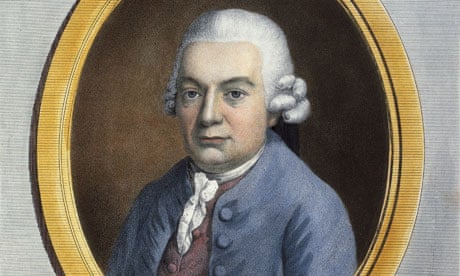
Carl Philipp Emanuel Bach (Weimar 3-8-1714 - Hamburg 12-14-1788)


The second son of JS Bach, he was a pupil of his father and the University of Leipzig, then he studied in Frankfurt on the Oder holding concerts as a harpsichordist. 

From 1738 to 1768, he was the first harpsichordist at the court of Frederick II, first in Ruppin and soon in Berlin. Here he came into contact with the musicians of the Berlin school (Krause, Marpurg, Graun, and others) and with the intellectuals of the capital. From these cultural stimuli was born in him the desire to write a treatise on the harpsichord, which earned him great notoriety for a long time. But relations with the king were not the most satisfactory. Finally, in 1767 Carl won a competition and, from the following year, became director of music in the principal churches of Hamburg, as the successor of Telemann. 

Here he remained until his death, very active as a conductor, harpsichordist, and composer, joining the list of the most prominent characters of the city and becoming friends with Klopstock, the great poet, and with Claudius, while also making fruitful contacts with the artists of the leading European centers (Leipzig, Paris, and Vienna). He is considered an exceptional harpsichordist and improviser. Burney confirmed this judgment by defining him as "not only the greatest composer for keyboard instruments that ever existed but also the best player regarding the expression." In the history of music, he is also crucial, however, for the contribution he made to the definitive identification of the sonata-form. He was undoubtedly among the first to give due importance to the development of the themes in the sonata's first movement and to lay the foundations of that dialectical development of the first and second idea, despite not being the inventor of them, as some, on the contrary, believed. 

This technique proved to be then fundamental for all the music of the classical school of Vienna (Haydn, Mozart, Beethoven). He introduced a strong dose of emotion in his work, to the point of anticipating the romantics in a few pages: and it is worth noting that he achieved the best results in instrumental production, while vocal music is inferior to this. In addition to many sacred and profane vocal works, he composed 18 symphonies, about 50 harpsichord concertos, two harpsichords concertos, and wind instruments and orchestra. His chamber production includes a few hundred sonatas and various pieces for harpsichord.


------------------------------------

Symphony n. 2 in B flat major for strings and harpsichord (1773)

Composed on commission by Gottfried van Swieten, Austrian ambassador to Frederick II and a patron very close to the three greats of the Vienna school, it still remembers due to its setting and the relationship between "solos" and "all," the form of the big concert. The musical discourse is very intense and reveals a skilled composer full of ideas: in the first half, the two main themes, which already have their own and sufficiently differentiated physiognomy, should be noted.

The Symphony is in three tempos: the first and the last frame an "Adagio" where the cantabile line of the violins predominates.


------------------------------------

Symphony n. 3 in C major for strings and harpsichord (1773)
 

This is perhaps the most interesting of the entire series, and, here too, we should note a particular affinity with the shape of the big concert. It is part, like n.2, of the cycle of six symphonies commissioned from the musician by Gottfried van Swieten. Note in the "Adagio" a quotation at the bottom of the theme B-a-c-h (B flat, A, C, Si in the German nomenclature).


------------------------------------

Twelve parts symphony n. 1 in D major (1775-76)


It is part of a series of four symphonies dedicated to Frederick of Prussia, which constitutes one of the composer's last labors. Alongside the strings, they include seven wind instruments and represent the best Cari Philipp has left in the symphonic field.

In this first Symphony, we note the search for an individual language, even if the setting is often reminiscent of the big concert, especially in the juxtaposition of "solos" and "all." Particularly noteworthy is the stretched lyric arch of the central "Largo," exciting anticipation of the style of the Vienna school.


------------------------------------

Concerto in D min. for piano and strings (1748)


Although not yet a composition of the musician's full maturity, this Concerto already reveals the traits of a distinct personality and remains one of the best of Carl Philipp's 50s.

A modern and brilliant piano treatment is personal, while some themes point to the musician as an interesting precursor of the Vienna school. In many places, however, the direct descent from tradition manifested in the almost literal quotation of themes or inflections of works by Johann Sebastian.


Carl Philipp Emanuel Bach [Weimar 8-3-1714 - Amburgo 14-12-1788]


Secondo figlio di J. S. Bach, fu allievo del padre e dell'Università di Lipsia, poi studiò a Francoforte sull'Oder tenendovi concerti come cembalista.

Dal 1738 al 1768 fu primo clavicembalista alla corte di Federico II, prima a Ruppin e ben presto a Berlino. Qui venne in contatto con i musicisti della scuola berlinese (Krause, Marpurg, Graun e altri) e con gli intellettuali della capitale. Da questi stimoli culturali nacque in lui il desiderio di stendere un trattato sul clavicembalo, che gli valse per lungo tempo grande notorietà. Ma i rapporti con il re non erano dei più soddisfacenti, e finalmente nel 1767 Carl vinse un concorso diventando dall'anno successivo direttore di musica nelle principali chiese di Amburgo, come successore del Telemann. Qui rimase fino alla morte, attivissimo come direttore d'orchestra, clavicembalista e compositore, entrando nella rosa dei piu eminenti personaggi della città e diventando amico di Klopstock, il grande poeta, e di Claudius, mentre stringeva proficui contatti anche con gli artisti dei principali centri europei (Lipsia, Parigi e Vienna).

Ritenuto un eccezionale clavicembalista e improvvisatore, questo giudizio fu confermato dal Burney che lo definì «non solo il piu grande compositore per strumenti a tastiera che sia mai esistito, ma anche il miglior suonatore per quanto riguarda l'espressione.» Egli è però molto importante nella storia della musica anche per il contributo che recò all'individuazione definitiva della forma-sonata. Senza esserne stato l'inventore, come qualcuno ha ritenuto, fu indubbiamente tra i primi a dare il dovuto rilievo allo sviluppo dei temi nel primo tempo della sonata, e a gettare le basi di quello svolgimento dialettico di prima e seconda idea che sarà poi fondamentale per tutta la musica della scuola classica di Vienna (Haydn, Mozart, Beethoven).

Introdusse nella sua produzione una forte dose di emotività, al punto da anticipare in qualche pagina i romantici: e vale la pena di osservare che raggiunse i migliori risultati nella produzione strumentale, mentre la musica vocale è a questa nettamente inferiore. Oltre a una gran quantità di lavori vocali sacri e profani, compose 18 sinfonie, circa 50 concerti per clavicembalo, concerti per due clavicembali e per strumenti a fiato e orchestra. La sua produzione da camera comprende qualche centinaio di sonate e pezzi vari per clavicembalo.

------------------------------------

Sinfonia n. 2 in si bem magg. per archi e cembalo (1773)

Composta su commissione di Gottfried van Swieten, ambasciatore austriaco presso Federico II e mecenate assai vicino ai tre grandi della scuola di Vienna, essa ricorda ancora, per la sua impostazione e per il rapporto tra "soli" e "tutti", la forma del concerto grosso. Il discorso musicale è assai intenso e rivela un compositore provetto e ricco di idee: si no­tino nel primo tempo i due temi principali, che presentano già una fisionomia propria e sufficientemente differenziata.

La Sinfonia è in tre tempi: il primo e l'ultimo incorniciano un "Adagio" dove predomina la linea cantabile dei violini.


------------------------------------

Sinfonia n. 3 in do magg. per archi e cembalo (1773)
 

Fa parte, come la n.2, del ciclo di sei sinfonie commissionate al musicista da Gottfried van Swieten. Questa è forse la piu interessante dell'intera serie, e anche qui va notata una certa affinità con la forma del concerto grosso. Notare nell' "Adagio" una citazione al basso del tema B-a-c-h (si bemolle, la, do, si nella nomenclatura tedesca).


------------------------------------

Sinfonia a dodici parti n. 1 in re magg. (1775-76)


Fa parte di una serie di quattro sinfonie dedicate a Federico di Prussia, serie che costituisce una delle ultime fatiche del compositore. Accanto agli archi esse comprendono sette strumenti a fiato, e rappresentano quanto di meglio Cari Philipp abbia lasciato in campo sinfonico.

In questa prima Sinfonia si nota la ricerca di un linguaggio individuale, anche se l'impostazione ricorda sovente il concerto grosso, specie nella contrapposizione di "soli" e "tutti." Va notato soprattutto il disteso arco lirico del "Largo" centrale, interessante anticipazione dello stile della scuola di Vienna.


------------------------------------

Concerto in re min. per pianoforte e archi (1748)


Pur non essendo ancora una composizione della piena maturità del musicista, questo Concerto rivela già i tratti di una precisa personalità, e rimane uno dei migliori tra i 50 di Carl Philipp.

Di personale c'è un trattamento moderno e brillante del pianoforte, mentre alcuni temi ci indicano nel musicista un interessante precorritore della scuola di Vienna. In molti punti invece la diretta discendenza dalla tradizione si manifesta nella citazione quasi letterale di temi o inflessioni di opere di Johann Sebastian.


Carl Philipp Emanuel Bach [Weimar 8-3-1714 - Hamburg 14-12-1788]


Zweiter Sohn von J. S. Bach, war Schüler seines Vaters und der Universität Leipzig; er studierte dann in Frankfurt an der Oder und konzertierte dort als Cembalist.

Von 1738 bis 1768 war er der erste Cembalist am Hof ​​Friedrichs II, zunächst in Ruppin, bald in Berlin. Hier kam er in Kontakt mit den Musikern der Berliner Schule (Krause, Marpurg, Graunua) und mit den Intellektuellen der Hauptstadt. Aus diesen kulturellen Anregungen entstand in ihm der Wunsch, eine Abhandlung über das Cembalo zu schreiben, was ihm lange Zeit große Bekanntheit einbrachte. Aber die Beziehungen zum König waren nicht die zufriedenstellendsten, und schließlich gewann Carl 1767 einen Wettbewerb, indem er ab dem folgenden Jahr Musikdirektor der Hamburger Hauptkirchen als Nachfolger Telemanns wurde. Hier blieb er bis zu seinem Tod, sehr aktiv als Dirigent, Cembalist und Komponist, reiht sich in die Liste der bedeutendsten Persönlichkeiten der Stadt ein und freundet sich mit Klopstock, dem großen Dichter, und mit Claudius an, während er auch fruchtbare Kontakte mit den Künstlern der Stadt den wichtigsten europäischen Zentren (Leipzig, Paris und Wien) knüpft.

Dieses Urteil, das als außergewöhnlichen Cembalist und Improvisator gilt, wurde von Burney bestätigt, der ihn als "nicht nur den größten Komponisten für Tasteninstrumente, den es je gab, sondern auch den besten Spieler in Bezug auf den Ausdruck" bezeichnete. In der Musikgeschichte ist er jedoch auch wegen seines Beitrags zur endgültigen Bestimmung der Sonatenform von großer Bedeutung. Ohne der Erfinder gewesen zu sein, wie einige glauben, war er zweifellos einer der ersten, der der Entwicklung der Themen im ersten Satz der Sonate die gebührende Bedeutung beimaß und die Grundlagen für diese dialektische Entwicklung der ersten und zweiten Idee legte die dann grundlegender für die gesamte Musik der Wiener Classi (Haydn, Mozart, Beethoven) sein wird.

Er brachte eine starke Portion Emotion in seine Inszenierung, bis hin zur Vorwegnahme der Romantik auf wenigen Seiten: und es ist erwähnenswert, dass er in der Instrumentalproduktion die besten Ergebnisse erzielte, während die Vokalmusik dieser deutlich unterlegen ist. Neben zahlreichen geistlichen und profanen Vokalwerken komponierte er 18 Symphonien, etwa 50 Cembalokonzerte, Konzepte für zwei Cembali sowie für Blasinstrumente und Orchester. Seine Kammermusikproduktion umfasst einige hundert Sonaten und verschiedene Stücke für Cembalo.

------------------------------------

Sinfonie n. 2 in B-Dur für Streicher und Cembalo (1773)

Im Auftrag von Gottfried van Swieten, österreichischer Botschafter bei Friedrich II. und Förderer der drei Großen der Wiener Schule, komponiert, erinnert es aufgrund seiner Vertonung und der Beziehung zwischen "Soli" und "alle" noch heute an die Form das Konzert groß. Der musikalische Diskurs ist sehr intensiv und offenbart einen gekonnten Komponisten voller Ideen: Beachten Sie im ersten Satz die beiden Hauptthemen, die bereits eine eigene und ausreichend differenzierte Physiognomie haben.

Die Symphonie hat drei Tempi: das erste und das letzte Bild ein "Adagio", in dem die kantable Linie der Violinen vorherrscht.


------------------------------------

Sinfonie n. 3 in C-Dur für Streicher und Cembalo (1773)
 

Sie ist wie Nr. 2 Teil des Zyklus von sechs Symphonien, die Gottfried van Swieten bei dem Musiker in Auftrag gegeben hat. Dies ist vielleicht die interessanteste der ganzen Reihe, und auch hier sollten wir eine gewisse Affinität zur Form des großen Konzerts feststellen. Beachten Sie im "Adagio" ein Zitat am Ende des Themas B-a-c-h (B-Dur, A, C, Si in der deutschen Nomenklatur).


------------------------------------

Zwölfstimmige Symphonie Nr. 1 in D-Dur (1775-76)


Sie ist Teil einer Reihe von vier Sinfonien, die Friedrich von Preußen gewidmet sind, einer Reihe, die eine der letzten Arbeiten des Komponisten darstellt. Sie umfassen neben den Streichern sieben Blasinstrumente und stellen das Beste dar, was Carl Philipp im symphonischen Bereich hinterlassen hat.

In dieser ersten Sinfonie ist die Suche nach einer eigenen Sprache zu spüren, auch wenn die Vertonung oft an das große Konzert erinnert, besonders in der Gegenüberstellung von "Soli" und "alle". Besonders hervorzuheben ist der gestreckte lyrische Bogen des zentralen "Largo", eine interessante Vorwegnahme des Stils der Wiener Schule.


------------------------------------

Konzert in D-min. für Klavier und Streicher (1748)


Obwohl noch keine Komposition der vollen Reife des Musikers, offenbart dieses Konzert bereits die Züge einer präzisen Persönlichkeit und bleibt eines der besten aus Carl Philipps 50er Jahren.

Eine moderne und brillante Behandlung des Klaviers ist persönlich, während einige Themen auf den Musiker als interessanten Vorläufer der Wiener Schule hinweisen. An vielen Stellen manifestiert sich jedoch die direkte Herkunft aus der Tradition in fast wörtlichen Zitaten von Themen oder Wendungen von Werken Johann Sebastians.